
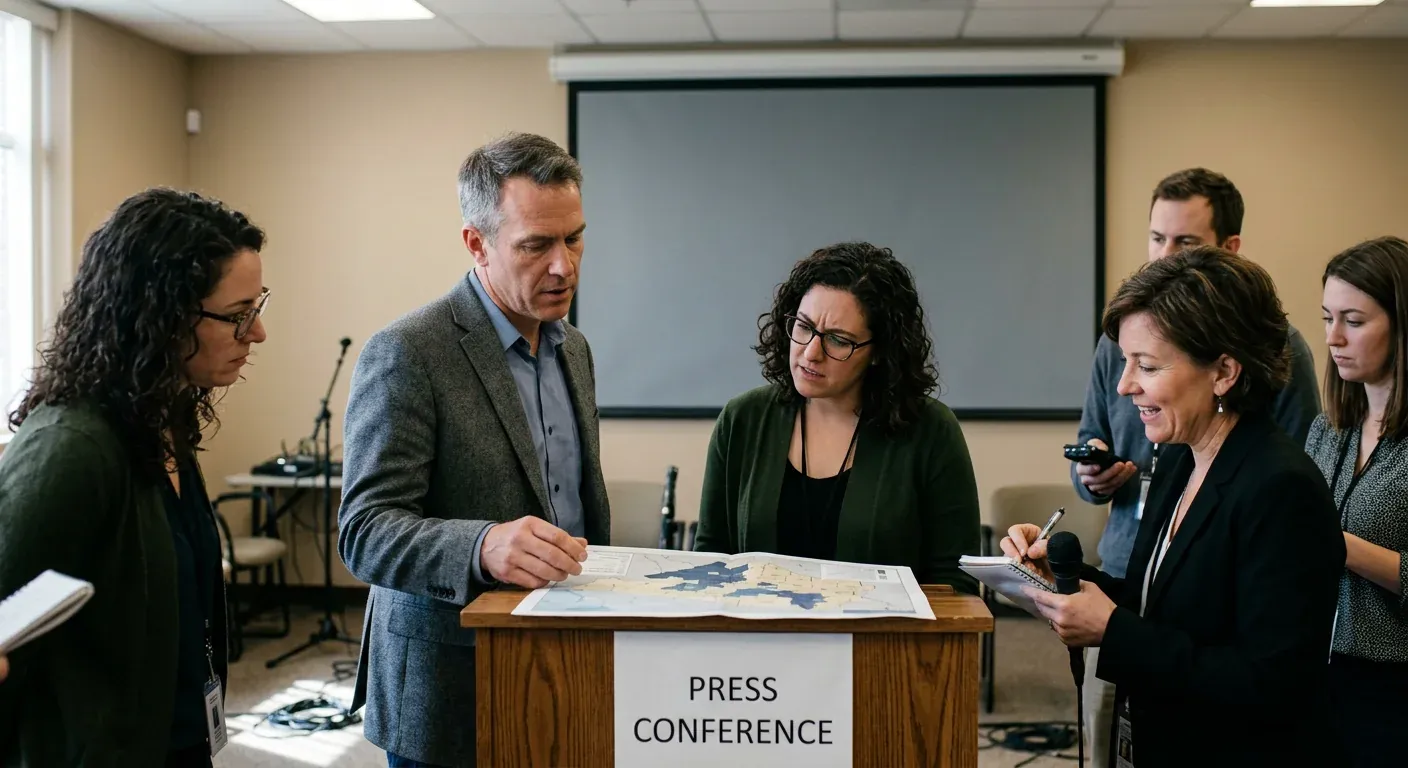
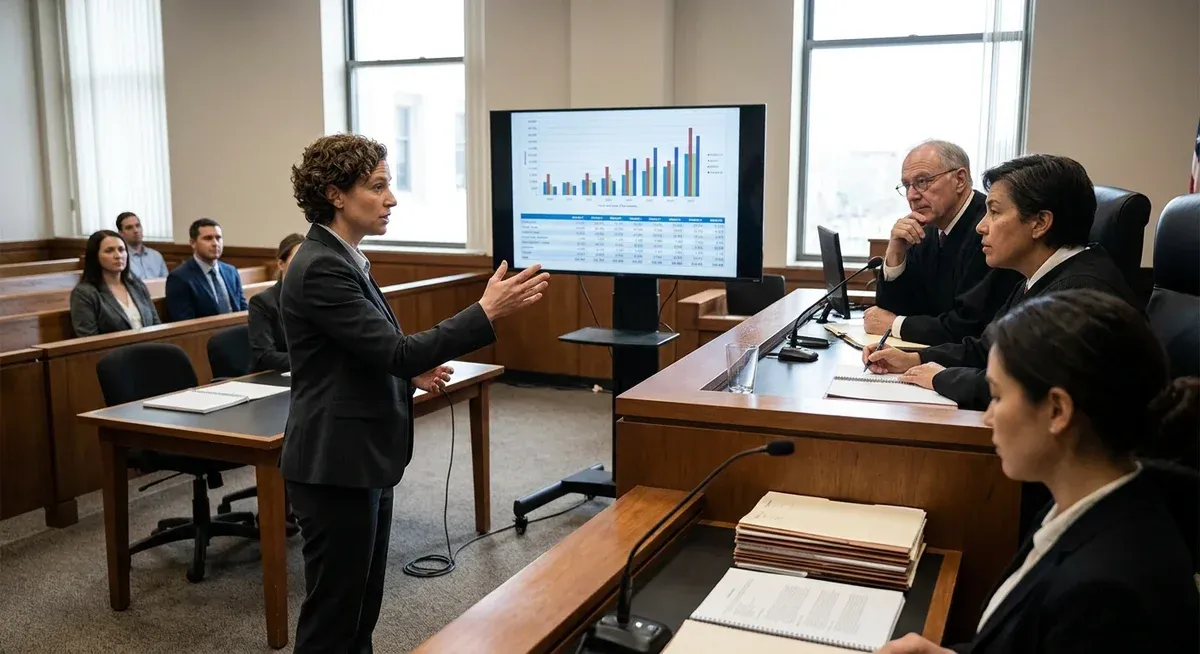
Editorial illustration for House Oversight seeks Delaware documents on AI agents running businesses
House Oversight Demands Delaware AI Agent Documents
House Oversight seeks Delaware documents on AI agents running businesses
Rep. James Comer wants to know who's writing Delaware's corporate law these days. The House Oversight Committee chairman sent a letter to Governor Matt Meyer yesterday demanding documents on a proposed new entity called an Artificial Intelligence Company, or AIC, a structure that would let AI agents run businesses with no human required at the top.
Delaware incorporates more than two-thirds of Fortune 500 companies, so a change like this wouldn't stay confined to one small state. It would ripple through corporate America.
Comer, a Kentucky Republican, isn't just curious. He's warning that the AIC proposal could become a liability shield, letting the human owners and investors behind an AI-run company dodge accountability when that AI causes harm. His committee is citing its authority over state-federal relations to dig into how the plan came together and who's been pushing it. He's also floating something bigger: federal legislation that would cap how far states can go in setting their own AI rules, with Delaware's draft bill serving as the test case for how much latitude state lawmakers should have.
A Delaware proposal to let companies be operated by AI agents would help the firms’ human owners evade legal responsibility for reckless and harmful actions taken by the AI, US Rep. James Comer (R-Ky.) told Delaware Governor Matt Meyer in a letter yesterday.
Why this matters
For founders and developers building autonomous agents, this is the first sign that lawmakers are watching the corporate-structure side of AI deployment, not just the technology itself. Delaware's proposed Artificial Intelligence Company designation would let an AI agent hold formal operating authority inside a business, and Comer's letter treats that as a liability shield in waiting, not an innovation. If the committee gets the documents it's asking for, expect scrutiny to land on anyone marketing "autonomous" business tools as a way to insulate owners from the consequences of what their AI actually does.
That matters for researchers too: the legal definition of who's accountable when an agent makes a reckless decision is about to get contested in a statehouse, not a lab. Delaware incorporates a huge share of US companies, so whatever framework it settles on will likely become the default template others copy. Anyone building agentic systems meant to act with real authority, signing contracts, moving money, hiring people, should be watching this fight over liability as closely as they watch the underlying model capabilities.
Related Reading
 Policy & Regulation
Akamai Proposes SAFE Cybersecurity Guidelines for AI Threats
 Policy & Regulation
After ditching AI fitness apps and a Fitbit, I return to Peloton classes
 Policy & Regulation
Sony Music, Warner Chappell Sue Anthropic Over "Blatant Theft
 From Archives
Anthropic Sued Over Alleged Use of Elvis Songs to Train Claude, Denies Claim
 From Archives
OpenAI reports promising results migrating COBOL code to modern languages
Common Questions Answered
What is an Artificial Intelligence Company (AIC) entity proposed by Delaware?
An Artificial Intelligence Company is a proposed new corporate structure that would allow AI agents to operate businesses with no human required at the top. This entity would give AI agents formal operating authority within a business, fundamentally changing how companies can be structured and managed.
Why is Rep. James Comer concerned about Delaware's AI agent proposal?
Rep. Comer believes the AIC structure would allow human owners to evade legal responsibility for reckless and harmful actions taken by the AI agents running their businesses. He sent a letter to Governor Matt Meyer demanding documents on the proposal, treating it as a potential liability shield rather than an innovation.
Why would Delaware's AI agent law have national implications?
Delaware incorporates more than two-thirds of Fortune 500 companies, so any corporate law changes in the state would not remain confined to Delaware but would ripple across the entire nation. This means the AIC structure could potentially become a widespread business model if adopted.
What is the House Oversight Committee investigating regarding the Artificial Intelligence Company proposal?
The House Oversight Committee, led by Chairman James Comer, is demanding documents from Delaware Governor Matt Meyer to understand the details and implications of the proposed AIC entity. This investigation represents early congressional scrutiny of how corporate structures are being adapted to accommodate AI deployment and autonomous agents.
Further Reading
- "No human at the helm": Delaware plan would let AI agents run entire businesses - Ars Technica
- Del. idea for AI-run companies draws eye of powerful congressional committee - WHYY
- Delaware's AI-Run Company Proposal Draws the Eye of Congressional Scrutiny - Bloomberg Law
- Legal experts question who's liable as Delaware pursues AI-run companies idea - WHYY
- Delaware AI Company Proposal Needs Details Before Road Testing - Bloomberg Law
