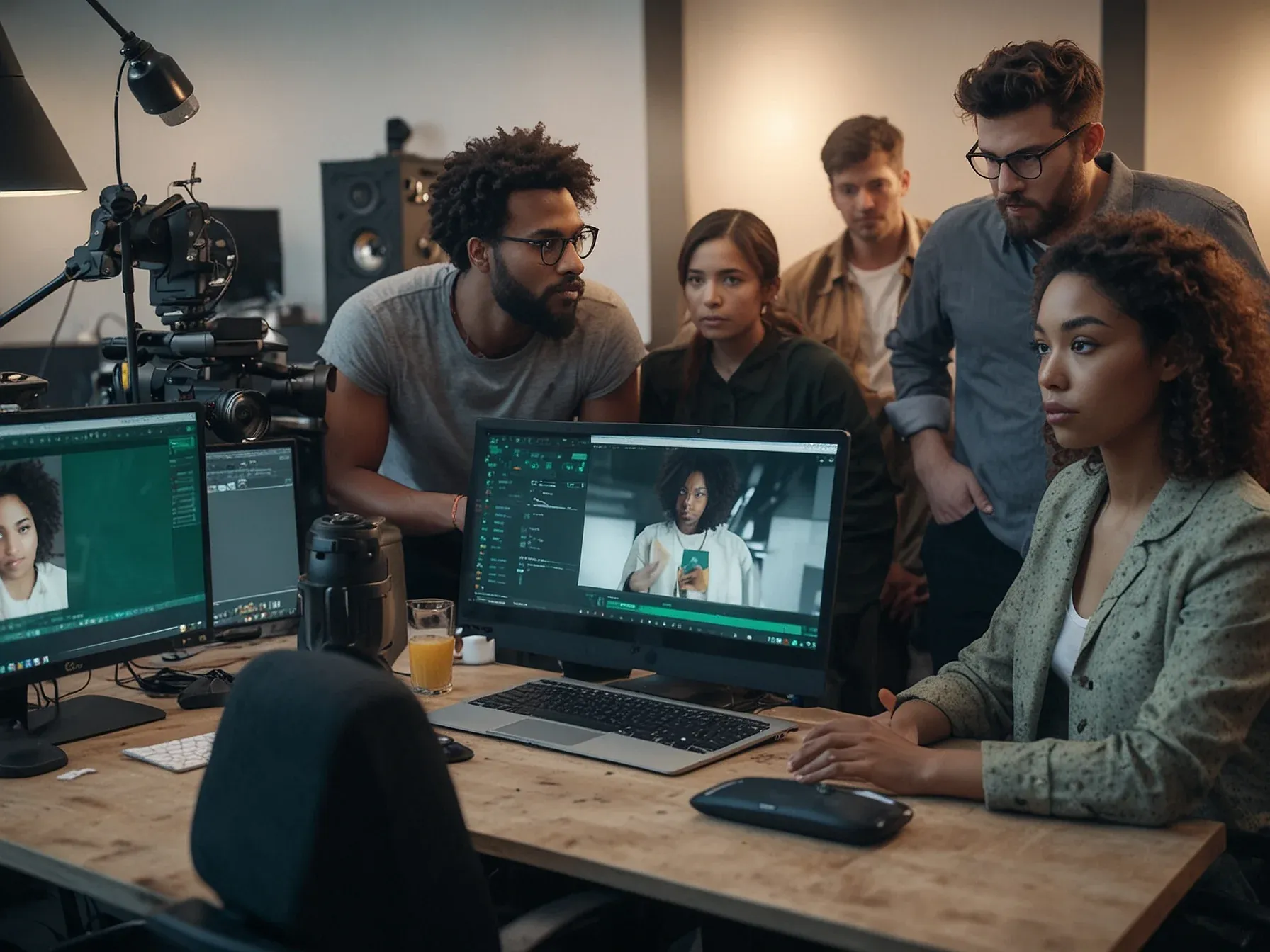
Editorial illustration for Google Unveils Veo 3.1: AI Turns Photos into Personal Branding Videos
Google Veo 3.1: AI Video Generation Breakthrough
Another AI video tool just dropped, and it's boring. This matters.
Google released Veo 3.1. It is an upgrade to its existing video creation software. The company didn't trumpet it from the rooftops. They just put it out there, a functional tool aimed at a specific crowd: people who make things for a living.
The feature getting notice is photo-to-video. You feed it a static image, like a headshot or a product photo, and it animates it into a short clip. This is for personal branding, for entrepreneurs and influencers who need volume but lack a production crew.
- The Rundown AI - Posts - Google's new AI video upgrade Google's new AI video upgrade PLUS: Turn photos into personal branding videos with Veo 3.1 Good morning, AI enthusiasts. Google just released Veo 3, the company's upgraded AI video model — but after OpenAI's viral Sora 2 explosion just weeks ago, the hype doesn't feel the same. With new editing features and general upgrades, Google is targeting filmmakers and creatives over viral feeds.
In today's attention economy, being useful might matter less than being memorable. In today’s AI rundown: Google’s upgraded Veo 3.1 video model Anthropic’s fast, low-cost Claude 4.5 Haiku Turn photos into personal branding videos with Veo 3.1 Google’s Gemma-based AI finds new cancer treatment 4 new AI tools, community workflows, and more LATEST DEVELOPMENTS Image source: Google The Rundown: Google just rolled out Veo 3.1, a new video generation model that claims quality improvements, better realism, upgraded image-to-video capabilities, and a series of new editing features directed at filmmakers and creative control.
The launch was quiet because OpenAI's Sora 2 launch was loud. That model generates fantastical scenes from text prompts, aiming for spectacle. Google's move feels like a response to that noise.
They are not chasing spectacle here.
Veo 3.1 is for filmmakers and creators who need control over edits and consistency in output. It is less about generating wild internet clips and more about replacing tedious parts of a production pipeline.
This is Google building for utility in a market obsessed with magic tricks.
Further Reading
- Google Vids just got a major upgrade: AI avatars are now powered by Veo 3.1 - Chrome Unboxed
- Our best avatars in Google Vids yet, now powered by Veo 3.1 - Google Workspace Updates Blog
- Unveiling Google's Veo: A New Era in AI Video Generation - OreaTAI
- Google Veo 3.1: What's New and How to Prep Your Workflow - RunDiffusion
Related Reading
Browse all Google news → AI Tools & Apps
 Claude gains shared context in Excel, PowerPoint; Microsoft adds Copilot Cowork
 AI Tools & Apps
 OpenAI Developer: AI Agent "Swarms" Waste Tokens, Create "Coordination Tax
 AI Tools & Apps
 LG's recent webOS update adds Microsoft Copilot app, now removable
 Related Topic
 Google to End Free Access to Gemini AI for Non-Subscribers
LLMs & Generative AI
 Related Topic
 NVIDIA and Google Cloud let developers scale AI from prototype to production
Market Trends
 From Archives
 MIT researchers develop software for clothes that reassemble into new outfits
 From Archives
 Sider 5.0 Adds Wisebase-Powered Deep Research Agent to Top AI Chrome Extensions
 From Archives
 Google lets developers embed live Google Maps data in Gemini AI app outputs
LLMs & Generative AI
 From Archives
 Google’s Veo 3.1 defeats Sora 2 in Kurukshetra-style battle scene
LLMs & Generative AI
Common Questions Answered
How does Veo 3.1 transform photos into personal branding videos?
Veo 3.1 leverages advanced AI algorithms to convert static images into dynamic video content tailored for personal branding purposes. The platform uses sophisticated machine learning techniques to generate contextually relevant video sequences that enhance professional storytelling and digital presence.
What distinguishes Google's Veo 3.1 from other AI video generation tools?
Unlike competitors focused on viral content, Google's Veo 3.1 is strategically designed to empower creative professionals with practical video generation tools. The platform prioritizes utility and professional-grade content creation over generating sensational or trending video clips.
Who is the primary target audience for Google's Veo 3.1 video generation technology?
Google is specifically targeting filmmakers, content creators, and professionals seeking sophisticated AI-powered video creation tools. The platform aims to provide nuanced digital storytelling capabilities that support personal branding and creative expression in the modern attention economy.
