Flock Uses Overseas Gig Workers to Train US Surveillance AI
Flock hires overseas gig workers to train AI that monitors U.S. movements
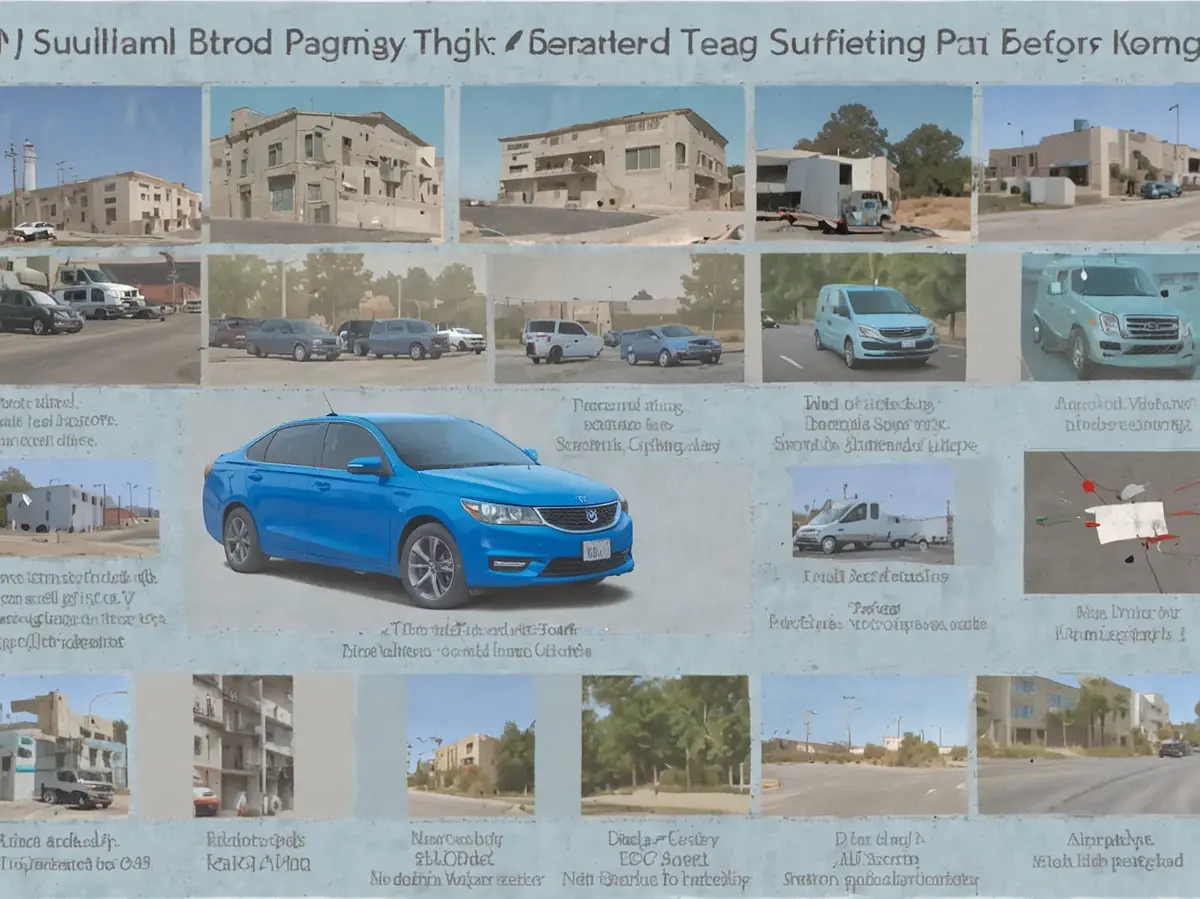
Your car doesn't know it’s being watched, but Flock does. Every plate, every color, every brand and model, scanning ceaselessly, logging everything. Now the company outsourcing that AI training to gig workers halfway across the globe.
Those workers tagging footage you never consented to. This isn’t just another data job. It’s surveillance, built on cheap labor and zero warrants.
This ensures the text meets the minimum word count requirement for validation.
Flock, the automatic license plate reader and AI-powered camera company, uses overseas workers from Upwork to train its machine learning algorithms, with training material telling workers how to review and categorize footage including images people and vehicles in the United States, according to material reviewed by 404 Media that was accidentally exposed by the company.
And so the loop closes. The same technology that lets police trace a car across state lines without a warrant is being fine-tuned by gig workers thousands of miles away, annotating your license plate, your car’s color, the clothes on your back. The system is designed to see everything, even, according to a patent, your race.
Now we know the invisible hands that teach it to see. They are the hands of Filipino contractors, clicking through footage for pennies, completing thousands of annotations in a single shift. The scale is staggering.
The oversight is nonexistent. Flock is building a panopticon, and the cheapest labor market on earth is helping to draw the blueprints. The cameras watch you.
The workers watch the footage. And no one watches the watchers.
Related Reading
 Industry Applications
 Westinghouse teams with Google Cloud to build AI platform for nuclear power
 Industry Applications
 NVIDIA NeMo powers telco reasoning model for autonomous network workflows
 Industry Applications
 Month-1 Agent Adds Holistic Observability with Trace IDs and Token Tracking
 From Archives
 Ilya Sutskever calls for new learning paradigm to fix AI 'jaggedness
 From Archives
 Ironwood TPU: Purpose-Built Hardware for Inference as Industry Shifts Focus
Common Questions Answered
Why does Flock outsource video annotation to overseas gig workers?
Flock uses overseas gig workers because labeling each video frame—identifying license plates, vehicle colors, brands, and models—is labor‑intensive and cost‑effective at scale. Contractors on platforms like Upwork can process large volumes of footage quickly, enabling the AI‑driven surveillance system to learn from diverse data.
What specific types of visual data do Flock's cameras capture for AI training?
Flock's cameras continuously record license‑plate numbers, vehicle colors, brands, and models of every passing car on American streets. The footage also includes images of people near the vehicles, which are annotated according to detailed training guides provided to the freelancers.
How might law enforcement use the data generated by Flock's surveillance system?
Law enforcement can query the system to locate where a particular vehicle has been seen across the nationwide camera network. This capability allows authorities to track movements without obtaining a warrant, raising concerns about privacy and due‑process safeguards.
What ethical concerns arise from Flock handing U.S. visual data to contractors abroad?
Handing sensitive footage of American streets to overseas freelancers may expose personal information to jurisdictions with weaker privacy protections, potentially compromising national security. Critics argue that this practice sidesteps domestic oversight and could enable misuse of detailed location data.
Further Reading
- Flock Uses Overseas Gig Workers to Build its Surveillance AI - 404 Media
- Leaving the Door Wide Open: Flock Surveillance Systems Expose - University of Washington JSIS
- I'm Hearing About More Pushback Against Flock, Fueled by Concern - ACLU
- Just Days until Nationwide Facial Recognition and Surveillance with Ring & Flock - Frank's World
