
Editorial illustration for AI's Legal Frontier: 15 Presentations Reveal Technology's Promise and Pitfalls
AI in Law: 15 Key Insights on Tech's Legal Frontiers
15 AI & ML Presentations 2025 Highlight Law Uses and Limits of AI
Ignore the headlines about AI taking over the courtroom. The actual shift is happening in unremarkable meetings where lawyers are cataloging what these tools can and cannot do. A recent set of 15 conference presentations slated for 2025 lays out this meticulous, ongoing audit.
The goal here isn't wonder. It's warranty. Teams are asking granular, essential questions: Can an algorithm consistently spot a problematic clause?
Is it ever appropriate for a machine to prepare a deposition digest? This is the work of defining guardrails, not chasing magic.
The presentation lists examples of AI in the field of law and identifies some of the limitations of AI technology. 2) What is Artificial Intelligence – Artificial Intelligence Tutorial For Beginners For the uninitiated, this presentation offers an ideal rundown of AI. The question of AI being a threat is raised at the very beginning.
However, as the presentation progresses, it discusses the basics necessary for understanding AI. The most basic question of what is artificial intelligence is answered. A brief history of AI and the discussion on recent advances in the field of AI is also found.
The various areas where AI currently sees practical application have been listed. Fascinating uses that AI can be put to in the future are also found in the presentation. The two approaches of achieving AI, machine learning and deep learning, is touched upon.
All in all, this presentation serves as a simple introduction to AI.
The prevailing tone across these previews is one of practical scrutiny. You won't find grand pronouncements about transformation. What you see is a profession systematically probing a new tool's limits, acknowledging its capabilities while obsessing over its constraints.
This is the adoption phase that never makes news: past the hype, noted the backlash, now doing the work. Small groups are drafting lists of approved use cases and, more critically, explicit no-go zones. The output for next year points to a legal field that is inherently doubtful, trying to wire in efficiency without ever wiring out human judgment.
Progress here looks like hours saved on document review, not algorithmic verdicts. These presentations are blueprints for that kind of augmentation.
Related Reading
 Industry Applications
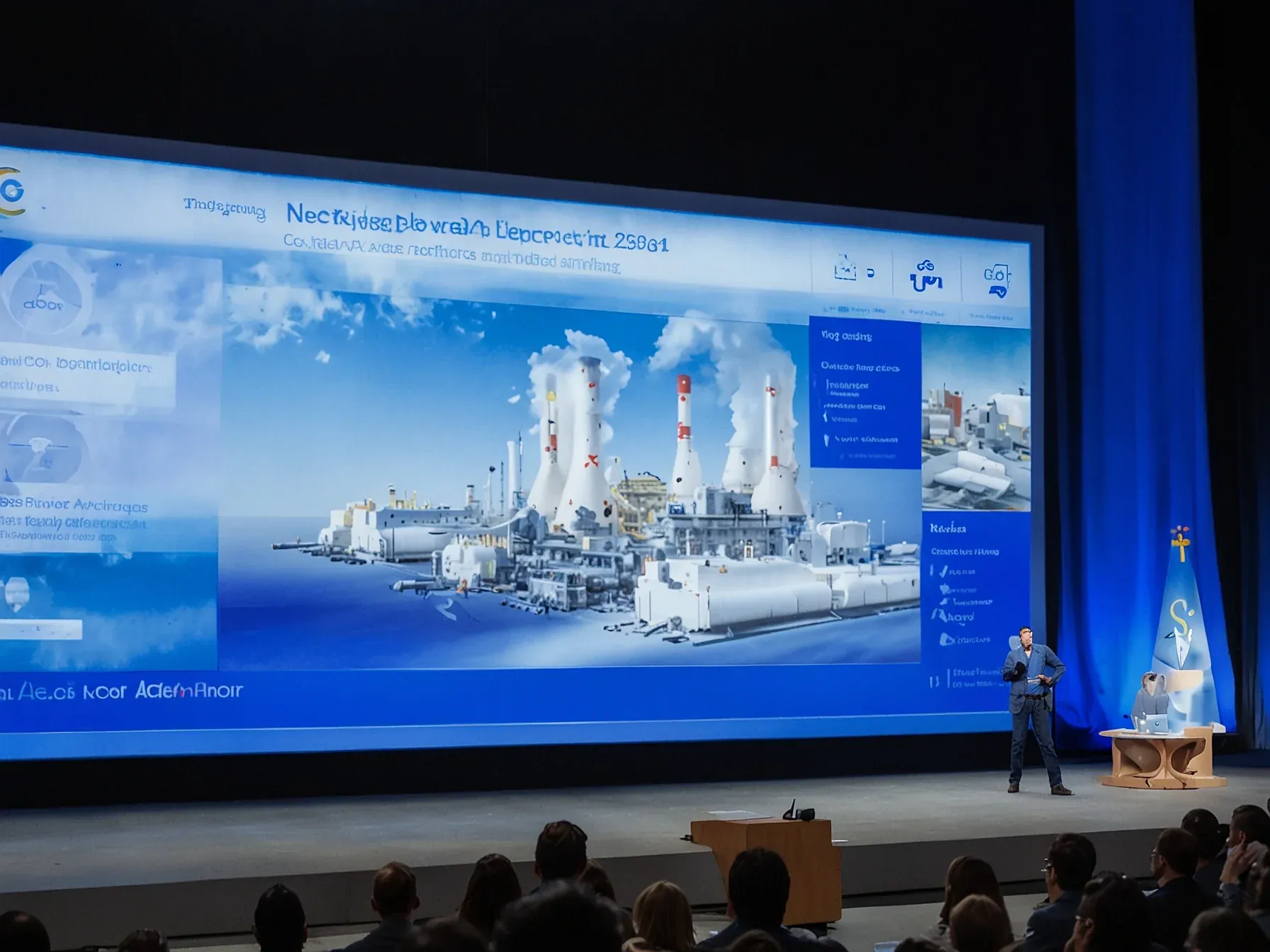
 Westinghouse teams with Google Cloud to build AI platform for nuclear power
 Industry Applications
 NVIDIA NeMo powers telco reasoning model for autonomous network workflows
 Industry Applications
 Month-1 Agent Adds Holistic Observability with Trace IDs and Token Tracking
 From Archives
 Verizon Acquires TracFone as More Brands Shift to MVNO Model
 From Archives
 From Prompt Engineering to Agentic AI: A Practitioner's Blueprint
Common Questions Answered
How are lawyers and technologists exploring AI's role in legal practice?
Lawyers and technologists are conducting critical examinations of AI's potential and limitations within legal frameworks. These investigations involve 15 key presentations that analyze how intelligent systems might transform jurisprudence and legal processes.
What challenges do AI technologies present in the legal field?
AI technologies raise complex questions about their potential threats and capabilities within legal contexts. The presentations highlight that while AI offers promising applications, it is not a universal solution and requires careful assessment of its specific strengths and constraints.
Why are legal professionals studying AI's technological capabilities?
Legal professionals are studying AI to understand its nuanced capabilities and potential transformative impact on traditional legal practices. By mapping AI's potential, they aim to identify how intelligent systems can assist legal work while remaining vigilant about technological boundaries.
Further Reading
- AI Regulations around the World - 2026 - Mind Foundry
- Presentation of Guidelines on the use of generative AI for courts - CEPEJ
- EU Artificial Intelligence Act | Up-to-date developments and ... - EU AI Act Official Portal
- Artificial Intelligence 2025 Legislation - NCSL
- Harnessing the AI/ML in Drug and Biological Products Discovery ... - PMC (NIH)
