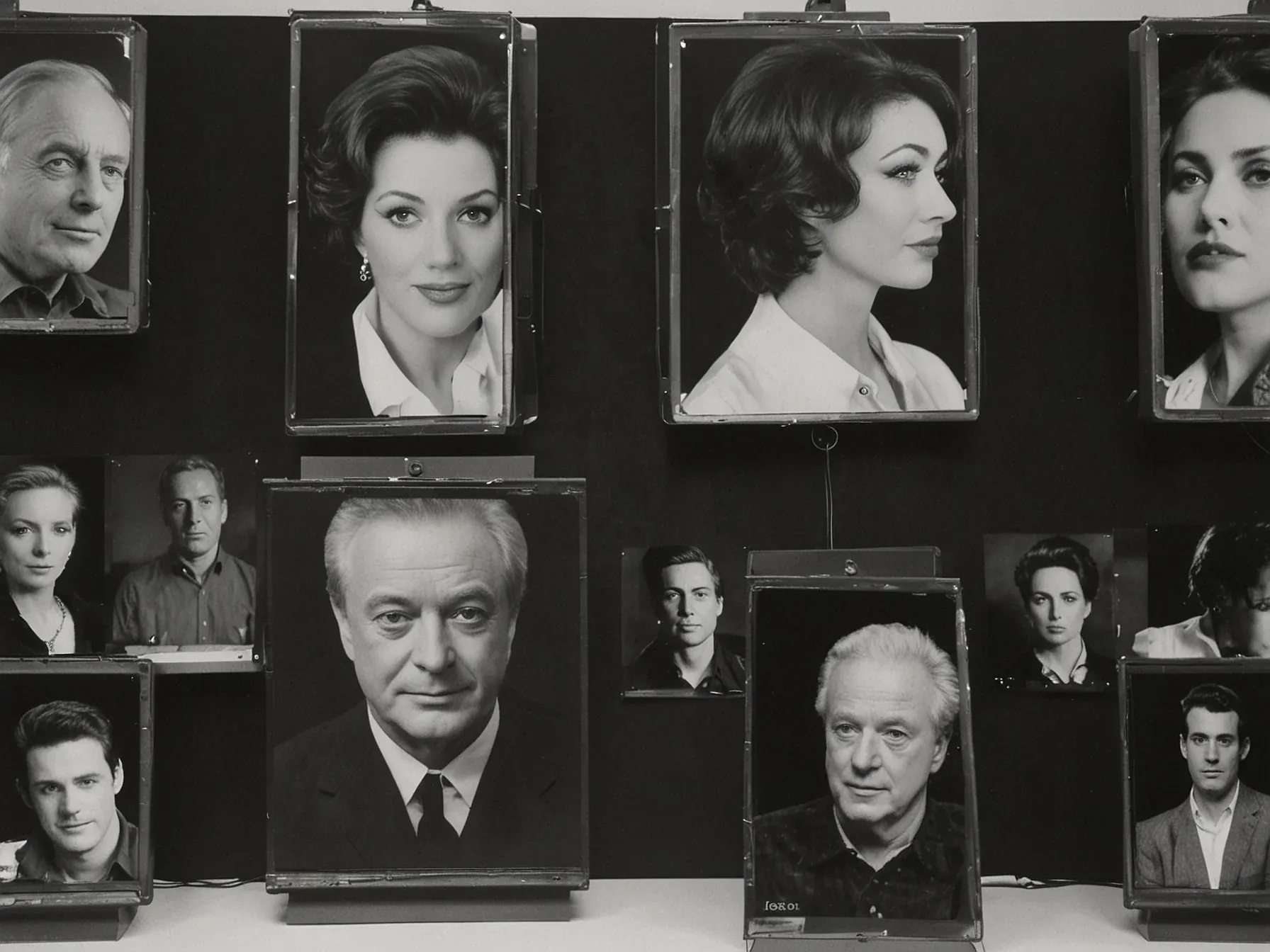
Editorial illustration for ElevenLabs Debuts Marketplace for Verified Celebrity AI Voice Licensing
ElevenLabs Launches Verified AI Voice Marketplace
The voice of Michael Caine, or the crackle of Thomas Edison, can now be licensed, not cloned, but curated. ElevenLabs has opened a marketplace that flips the script on AI voice piracy, offering a controlled catalog where only verified talent and rights holders can sell access to their own likeness. Twenty-eight voices launched the platform: living icons like Liza Minnelli sit alongside historical figures resurrected from archival recordings.
Companies browse the lineup, submit a request, and negotiate terms directly with the rights holders. ElevenLabs then powers the project and delivers the final output. It’s a direct response to the chaos of open-source cloning, a way for the famous to profit, rather than be preyed upon.
Matthew McConaughey, it turns out, has been an investor in the company for some time, signaling a deeper Hollywood embrace of a technology that once seemed more threat than opportunity.
Only verified talent and IP owners are eligible, so the platform features only well-known voices. Rights holders must approve any commercial use in advance. Companies browse a curated catalog, submit a request, and connect directly with rights holders to set terms.
Once approved, ElevenLabs' technology powers the project and delivers the results. The marketplace launched with 28 voices, including living celebrities like Michael Caine and Liza Minnelli, and historical figures like Mark Twain, Thomas Edison, and Alan Turing, whose voices were recreated from archival recordings. While open source cloning tools make it tough for rights holders to control their voice, the marketplace gives them a way to profit from their own likeness.
ElevenLabs also announced that actor Matthew McConaughey has been an investor in the company for some time, reflecting growing interest in AI voice technology from the entertainment industry.
This isn’t just a product launch. It’s a declaration of terms. ElevenLabs has drawn a line in the sand between the chaos of open-source cloning and the promise of a legitimate, royalty-driven market.
For the first time, a celebrity or a deceased icon’s estate can look at AI not as a threat, but as a revenue stream they control. The catalog is small, 28 voices, but the precedent is enormous. If rights holders can profit from their own likeness while dictating every use, the entire dynamic shifts.
The talent isn’t being stolen; it’s being licensed. And with figures like Matthew McConaughey quietly investing, the entertainment industry is signaling that it’s ready to sit at the table, not just scream from the sidelines. The question is no longer whether AI will clone voices.
It’s who will own the switch.
Related Reading
 Business & Startups
 Nordic pilot adds Gemini for Education, NotebookLM to boost AI literacy
 Business & Startups
 Kling launches Video O1, all-in-one model with MVL bridge using transformer
 Business & Startups
 DeepSeek Seeks More Capital Weeks After USD 7B Funding Round
 From Archives
 Mozilla adds AI Window to Firefox, enabling chat with browser assistant
 From Archives
 Spotify adds AI-powered Recap button to select English audiobooks on iOS
Common Questions Answered
How does ElevenLabs ensure the authenticity of celebrity voices in their marketplace?
ElevenLabs only allows verified talent and official IP rights holders to participate in the marketplace. The platform carefully curates its catalog, ensuring that each voice is legally authorized and approved by the original rights holders before any commercial use.
What is the process for companies to use a celebrity voice through the ElevenLabs marketplace?
Companies can browse the curated catalog of 28 voices, which includes living celebrities like Michael Caine and Liza Minnelli, as well as historical figures. They must submit a request and connect directly with rights holders to negotiate and obtain approval for commercial use of the AI-generated voice.
What makes the ElevenLabs AI voice marketplace unique compared to other voice cloning platforms?
The ElevenLabs marketplace distinguishes itself by focusing exclusively on verified talent and official rights holders, creating a controlled and legally compliant environment for celebrity voice replication. This approach ensures intellectual property protection and provides a structured method for licensing AI-generated voices.
Further Reading
- Announcing Partnership with Sir Michael Caine to Newly Launched Iconic Marketplace — ElevenLabs Blog
- Papers with Code - Latest NLP Research — Papers with Code
- Hugging Face Daily Papers — Hugging Face
- ArXiv CS.CL (Computation and Language) — ArXiv
