
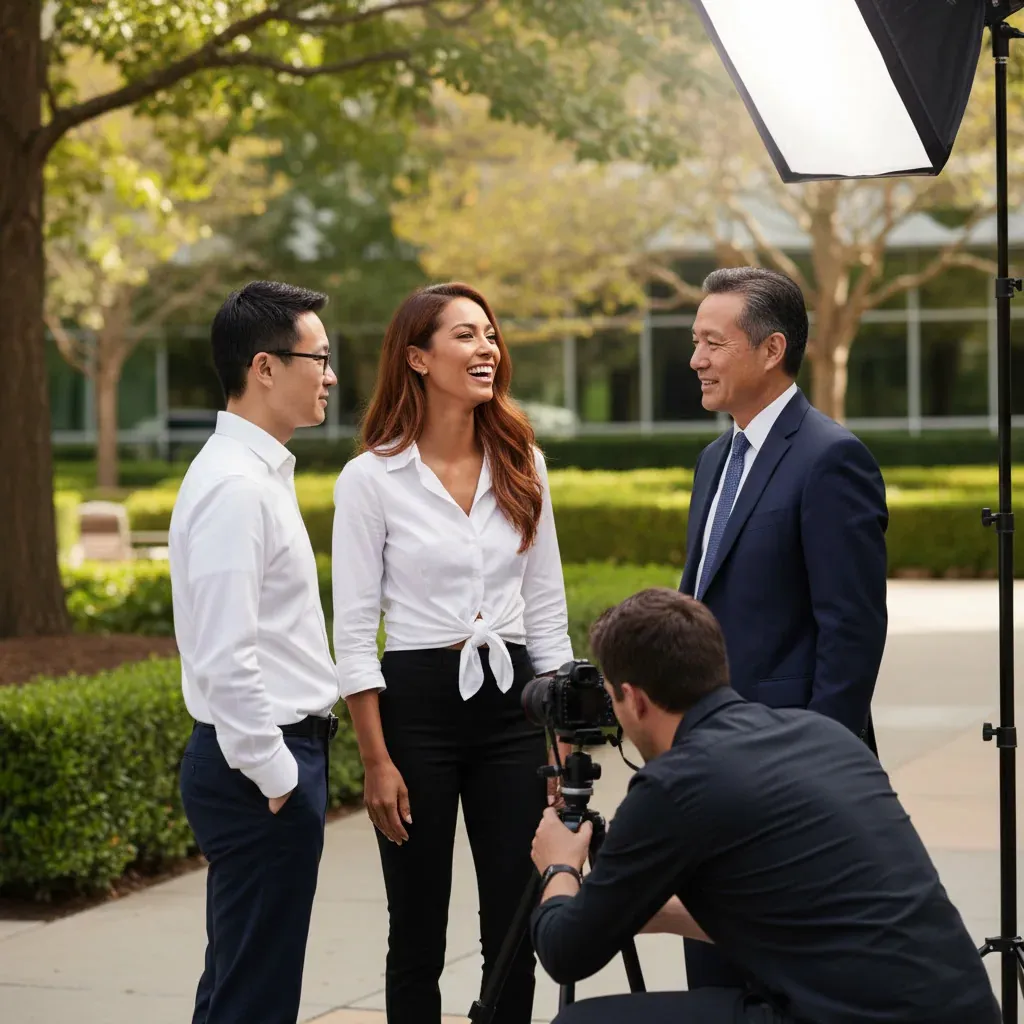
Editorial illustration for Seedance 2.0 emerges as a hopeful generative AI video tool, yet remains slop
Seedance 2.0: AI Video Creation Reimagined
Seedance 2.0 emerges as a hopeful generative AI video tool, yet remains slop
Generative video looks more real. That's the problem. Take Seedance 2.0: its motion is smoother, its clips hint at story, its subjects don't glitch.
For a second, it feels like a scene someone made. That feeling is the trick. This isn't about pixels.
It's about a hollow core, a product now diagnosed by a single, apt word: slop.
In contrast to traditionally produced movies, shows, and online videos -- which can be sloppily crafted -- things made with AI are "slop" because they are the products of workflows devoid of any direct authorial or artistic intent. Unlike a team of human filmmakers, a gen AI video model can't always follow a story's beats or a character's motivations, but it can parse simple inputs and generate outputs that seem informed by a narrative (if you squint) because the program has been trained on vast amounts of visual data that is.
The progress is undeniable. Seedance's outputs cohere. Fewer limbs multiply; backgrounds stay put.
Call it a leap. But a leap into a vast, still pool of slop just makes a bigger splash. What you have is an echo—a reverberation of cinema's history played by a system that has never seen a sunset, felt a motive, or held a point.
The hope for these tools is real. The slop is, too. We'll keep staring at the polish, mistaking technical wins for a soul that was never part of the deal.
Related Reading
 AI Tools & Apps
 Claude gains shared context in Excel, PowerPoint; Microsoft adds Copilot Cowork
 AI Tools & Apps
 OpenAI Developer: AI Agent "Swarms" Waste Tokens, Create "Coordination Tax
 AI Tools & Apps
 LG's recent webOS update adds Microsoft Copilot app, now removable
 From Archives
 Smarsh launches AI front door for regulated firms, hits 59% self‑service
 From Archives
 ProducerAI, the Chainsmokers‑approved AI music tool, joins Google
Common Questions Answered
How does Seedance 2.0 differ from previous AI video generation tools?
Seedance 2.0 introduces a quad-modal input system that can process text, images, video references, and audio samples in a single generation pass. Unlike earlier tools that produced short, disconnected clips, this model aims to create more coherent video sequences with native audiovisual coordination and improved character consistency.
What is the 'All-Round Reference' system in Seedance 2.0?
The All-Round Reference system allows users to upload up to 5 reference files that directly guide the AI video generation process. Users can specify precise visual and motion references using @tags, enabling more controlled and intentional video creation compared to previous text-only prompt approaches.
How does Seedance 2.0 address character stability in AI-generated videos?
Seedance 2.0 uses a Dual-branch Diffusion Transformer that focuses on maintaining character identity across multiple shots. The model pays special attention to character consistency, calculating details like character weight, movement, and environmental interaction to create more stable and recognizable characters throughout a video sequence.
What technical innovation makes Seedance 2.0's audio generation unique?
Unlike previous AI video tools that added audio as a post-processing step, Seedance 2.0 integrates audio generation directly into the model's diffusion process. This means dialogue, ambient sounds, music, and sound effects are created in sync with visual events, providing a more cohesive and natural audiovisual experience.
Further Reading
- Seedance 2.0 Review: The First True AI Video Director? — MagicHour.ai
- Seedance 2.0 Review: Deep Insight into the New Killer AI Video Model — MangoAnimate
- Hollywood isn't happy about the new Seedance 2.0 video generator — TechCrunch
- Seedance 2.0 Review 2026: Features, Pricing & Comparison - insMind — insMind
- Seedance 2.0 vs Veo 3.1: Which is best for AI Video Creators — SitePoint
