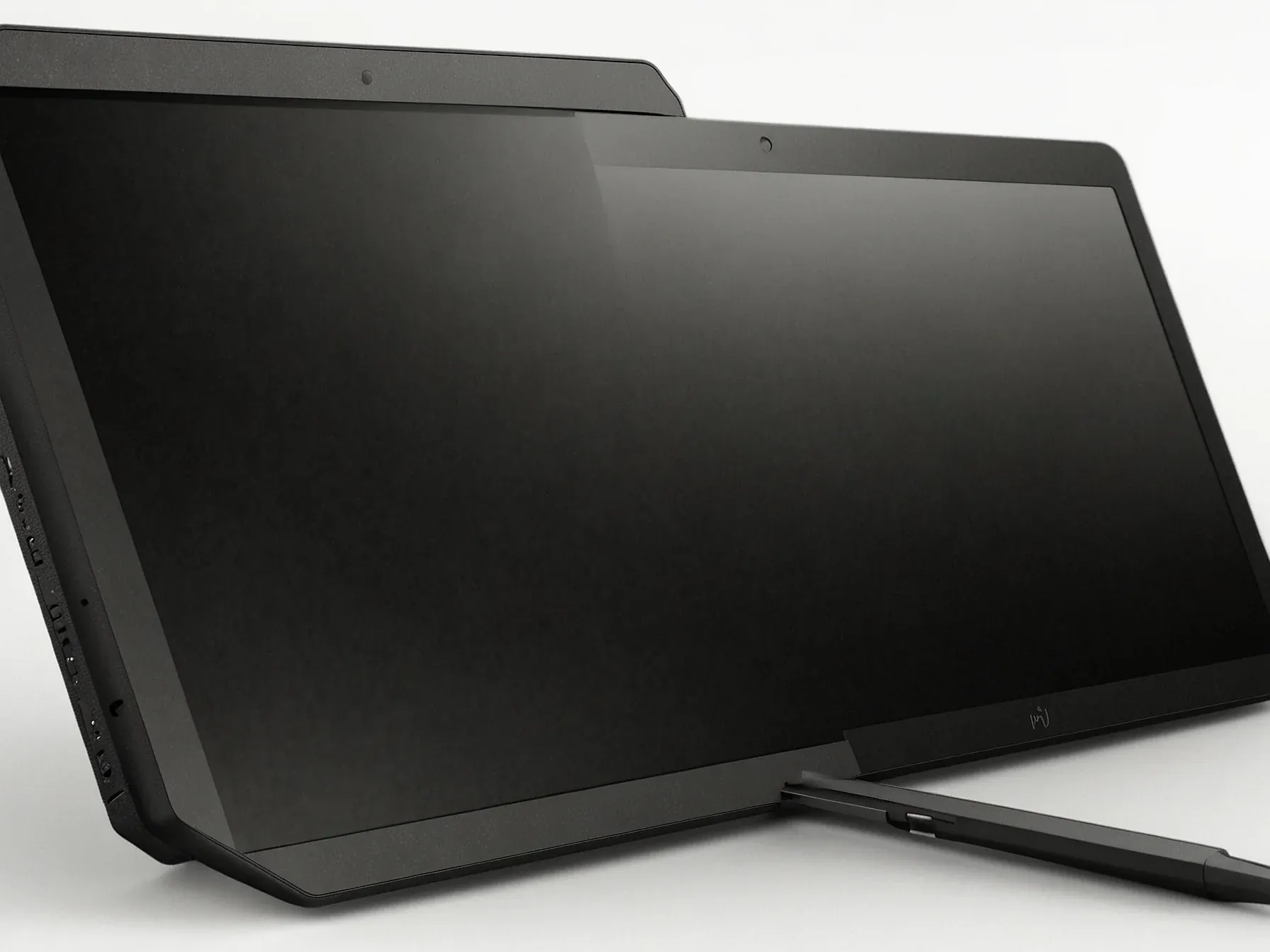
Boox Palma 2 Pro Review: Upgrade Feels Like Downgrade
The Palma 2 Pro promised refinement. Instead, it delivers a regression. Onyx has stuffed this sequel with cellular connectivity, pen support, and better battery life, all genuinely welcome additions.
But the device’s core, its screen, is fundamentally compromised. This isn't a trade-off; it's a betrayal. The dim, muddy Kaleido 3 panel forces you to crank the front light just to read basic text, a stark degradation from the crisp, high-contrast monochrome displays that made the Palma line worth owning.
You end up with a device that does more things worse, not fewer things better. That isn't an upgrade. It's a reason to walk away.
Year after year, model after model, the Boox Palma gets a little closer to the device of my dreams.
The Palma 2 Pro promised an upgrade. It delivered a screen you have to fight to read. That single failure unravels everything else, the battery, the pen support, the cellular freedom, because none of it matters when the display refuses to cooperate.
Onyx had a chance to make a real statement: a pocketable color E Ink phone-adjacent device that actually works. Instead, they cut corners where it counts most. The result is a device that feels less capable than its monochrome siblings.
It’s a trade you shouldn’t make. Save your money for the Palma 2. Or wait for Onyx to prove it understands that a “Pro” model should never compromise the fundamental experience of reading text.
Right now, they have not earned that trust.
Related Reading
 Business & Startups
 Nordic pilot adds Gemini for Education, NotebookLM to boost AI literacy
 Business & Startups
 Kling launches Video O1, all-in-one model with MVL bridge using transformer
 Business & Startups
 DeepSeek Seeks More Capital Weeks After USD 7B Funding Round
 From Archives
 Google Antigravity launches as next-gen coding platform powered by Gemini 3 AI
 From Archives
 xAI and HUMAIN to build GPU data-center network for Saudi AI models
Common Questions Answered
What specific upgrade in the Boox Palma 2 Pro does the reviewer consider a downgrade?
The reviewer points out that one of the advertised upgrades actually hampers usability, leading them to use the Palma 2 Pro less than earlier models. This glaring issue outweighs the hardware improvements and makes the device less appealing.
How does the cell connectivity feature of the Boox Palma 2 Pro compare to its predecessors?
Cell connectivity is highlighted as a positive addition, allowing the device to stay online without Wi‑Fi. However, despite this benefit, the overall experience is still marred by other shortcomings.
Does the pen support on the Boox Palma 2 Pro meet the expectations set by earlier Boox devices?
Yes, the pen support works well and is praised for its responsiveness and accuracy. Nonetheless, the reviewer feels that this strength cannot compensate for the device’s major ergonomic and software flaws.
Why does the reviewer recommend buying the older Boox Palma 2 instead of the Palma 2 Pro?
The reviewer found the Palma 2 Pro’s downgraded feature to significantly reduce daily usage, making the older Palma 2 a more reliable choice. They suggest waiting for future updates or choosing the previous model for a better overall experience.
Further Reading
- The Boox Palma 2 Pro might just be the most flexible digital note-taker ever - Expert Reviews
- Review: Boox Palma 2 Pro 6.1-inch Android 15 e-reader - Parka Blogs
- BOOX Palma 2 Pro (review): Is this a phone? - YouTube
