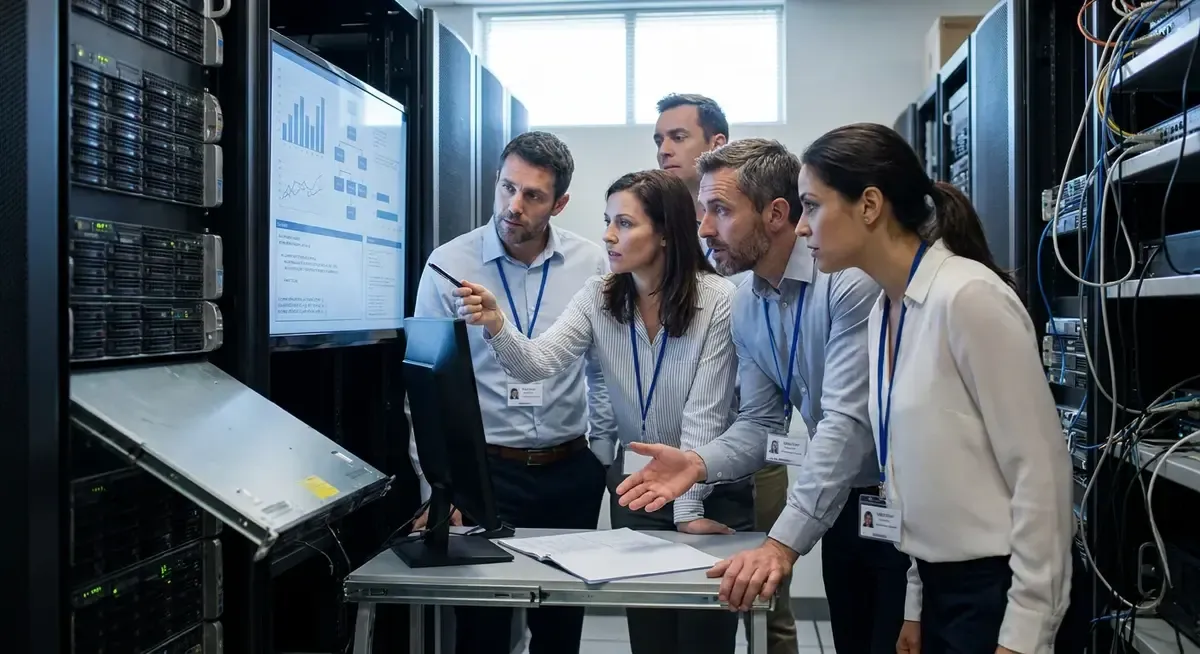
Editorial illustration for Apple Sues OpenAI, Alleges Trade Secret Theft for Hardware
Apple Sues OpenAI Over Trade Secret Theft Claims
Apple filed suit against OpenAI on Friday in the U.S. District Court for the Northern District of California, accusing the company of stealing trade secrets and breaching contracts through a coordinated recruiting scheme aimed at Apple's hardware division. At the center of the complaint is Tang Tan, OpenAI's Chief Hardware Officer, who spent 24 years at Apple before leaving his post as VP of product design for the iPhone and Apple Watch. Apple claims Tan used the company's internal project code names while courting job candidates, told recruits to bring Apple hardware components to interviews, and coached departing employees on how to dodge Apple's security checks.
The filing lands as OpenAI works on its first hardware product, widely expected to challenge the iPhone directly. Ming-Chi Kuo floated in April that the device could be a smartphone built around AI agents rather than traditional apps, a shift that would cut against the app-store model Apple has run for nearly two decades. OpenAI's hardware push got a major boost last year when it bought io, the startup founded by former Apple design chief Jony Ive, for $6.5 billion. Io appears in Apple's complaint, though Ive himself is not named as a defendant.
“As a natural result, OpenAI’s nascent hardware business now rests on the shakiest of foundations, rotten to its core by its illegal reliance on misappropriated trade secrets.”
Why this matters
This lawsuit lands right as OpenAI pushes hard into hardware, the io acquisition, Jony Ive's design team, whatever gadget Sam Altman keeps teasing. Apple naming Tang Tan directly, and pointing to specific project code names, tells us this isn't a broad shot at a competitor. It's a targeted claim about specific people and specific documents.
For founders building hardware startups, the lesson is blunt: poaching senior talent from Apple carries legal exposure that follows the hires, not just the hiring company. For researchers and engineers moving between labs, expect NDAs and non-competes to get scrutinized harder, and expect companies to start auditing what departing staff take with them. If Apple's claims hold up, OpenAI's hardware ambitions could face real delays right when the AI device race is heating up.
If they don't, this still signals how nervous incumbents are about losing people to AI labs. Watch whether other Apple alumni now at OpenAI get named as discovery proceeds.
Related Reading
Browse all OpenAI news → Policy & Regulation
 Akamai Proposes SAFE Cybersecurity Guidelines for AI Threats
 Policy & Regulation
 After ditching AI fitness apps and a Fitbit, I return to Peloton classes
 Policy & Regulation
 Sony Music, Warner Chappell Sue Anthropic Over "Blatant Theft
 Related Topic
 OpenAI researcher quits, citing distrust over ad‑driven engagement metrics
LLMs & Generative AI
 Related Topic
 OpenAI launches GPT-Image 1.5 with precise editing for enterprise visuals
LLMs & Generative AI
 From Archives
 Governments Rush to Use AI for Cyber Defense Despite Risks
 From Archives
 Alibaba Bans Employees From Using Claude AI Amid China Restrictions
 From Archives
 OpenAI Releases GPT-Live Voice Models That Delegate Reasoning to GPT-5.5
LLMs & Generative AI
 From Archives
 Sen. Warren urges Trump admin to expand AI credit after OpenAI letter
Business & Startups
Common Questions Answered
Who is Tang Tan and what is his role in the Apple versus OpenAI lawsuit?
Tang Tan is OpenAI's Chief Hardware Officer who previously spent 24 years at Apple as VP of product design for the iPhone and Apple Watch. Apple alleges that Tan used the company's internal project code and confidential information when transitioning to OpenAI, forming the central basis of their trade secret theft complaint.
What specific allegations does Apple make against OpenAI regarding trade secrets?
Apple claims that OpenAI and its partners used Apple's confidential information while developing their own hardware product, and that OpenAI engaged in a coordinated recruiting scheme targeting Apple's hardware division. The lawsuit points to specific project code names and documents as evidence of the alleged misappropriation.
Why is the timing of this lawsuit significant for OpenAI's business strategy?
The lawsuit comes as OpenAI is actively expanding into hardware development, including acquiring companies and working with design teams like Jony Ive's, while CEO Sam Altman has been teasing upcoming gadgets. This legal action directly challenges OpenAI's hardware ambitions at a critical moment in their product development.
What legal risks does this case present for hardware startups hiring from Apple?
The lawsuit demonstrates that poaching senior talent from Apple carries significant legal exposure, as Apple is willing to pursue targeted claims against specific individuals and document the use of proprietary information. Hardware founders should be aware that hiring Apple's experienced executives may result in trade secret litigation that follows the hire.
Further Reading
- Apple sues OpenAI over alleged trade secret theft - TechCrunch
- Apple sues OpenAI, two former employees for trade secrets theft - Reuters
- Apple sues OpenAI, accuses ex-employees of stealing trade secrets - 9to5Mac
- Apple sues OpenAI, its employees claiming theft of trade secrets - BBC
- Apple files lawsuit accusing OpenAI of stealing trade secrets - AP News
