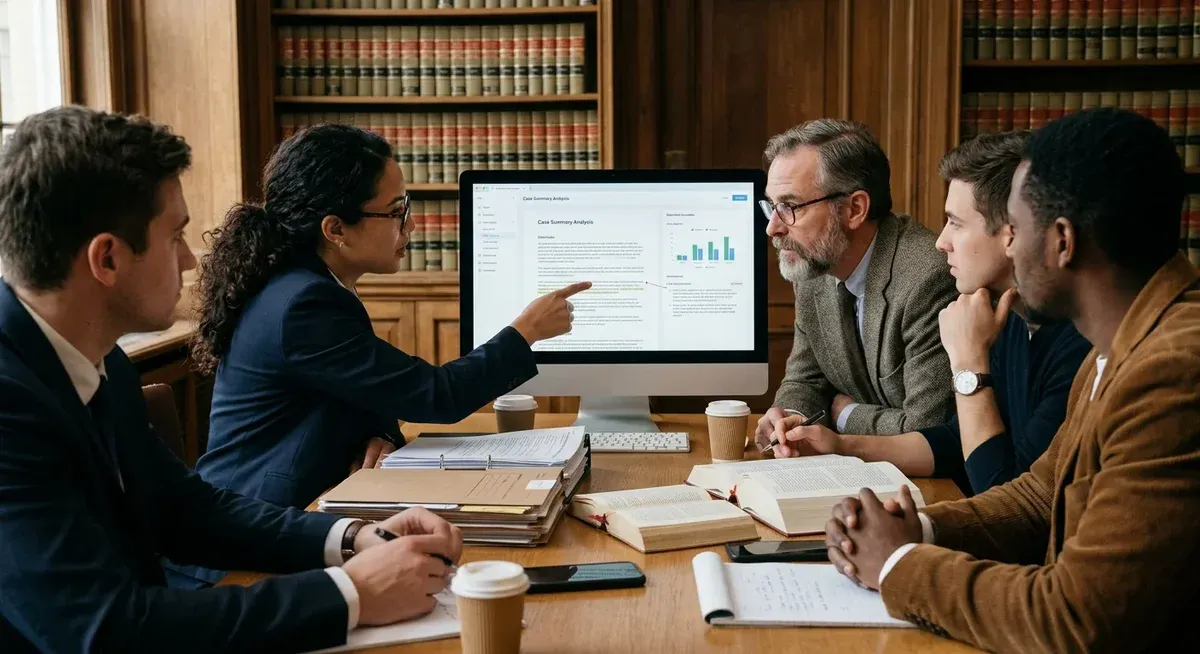
Editorial illustration for Anthropic Watermarks AI Output, Some Clients Request It
Anthropic Embeds Watermarks in Claude AI Output
Anthropic Watermarks AI Output, Some Clients Request It
Anthropic has started embedding a statistical watermark into everything Claude writes, a method built on Google's SynthID-Text approach that nudges which words the model picks during generation without inserting hidden characters or visible tags. The company says this satisfies EU transparency rules requiring AI content to be identifiable, and insists the practice leaves creativity, readability, and meaning untouched. Some clients have specifically asked for the feature, according to Anthropic, treating it as a compliance box to check rather than a burden.
Not everyone buys the "no effect" claim. The watermark works by shifting the probability of certain synonyms over others based on a hidden key, which means Claude sometimes favors a word not because it fits best but because the key says so. Tools already exist, like Declaude, that can strip the marking out entirely, raising the question of what the watermark actually accomplishes if it's this easy to defeat.
For law firms in particular, the stakes go beyond writing style. Permanently detectable AI text could surface at inconvenient moments, from fee disputes to contracts that explicitly bar AI-generated work.
Blogger John Gruber disagrees. In a lengthy post on Daring Fireball, he argues that no two synonyms carry the exact same meaning. When Claude picks between "overcast" and "grey" based on a secret watermark key rather than semantic precision, text quality inevitably suffers.
Why this matters
Watermarking sounds like a compliance checkbox, but it's really a bet about who controls the record of how legal work gets done. Anthropic is choosing traceability over invisibility, and that choice will ripple through any firm that bills hourly for "original" drafting. The EU rule driving this is about disclosure, not quality, yet the tradeoff Artificial Lawyer flags is real: a model second-guessing word choice to satisfy a statistical key is not the same model optimizing for clarity. That gap matters more in a merger agreement than in a marketing blurb.
The existence of Declaude also tells us watermarking is a policy signal, not a technical wall. Anyone who wants clean text will find a workaround, which means the real function of the mark is reputational, not enforcement. For developers building on Claude, the lesson is to treat provenance features as negotiable business terms, not settled infrastructure. Clients requesting the watermark now are testing trust; the firms that get burned later will be the ones that assumed harmless meant permanent.
Related Reading
Browse all Anthropic news → LLMs & Generative AI
 ChatGPT's 'Nerdy' tweak rewards goblin metaphors in answers, study finds
 LLMs & Generative AI
 Google tests visual 'magazine-style' UI for Gemini 3 Pro users
 LLMs & Generative AI
 AI Engineers Face Rising Costs, Need New Strategies for Efficiency
 Related Topic
 Claude gains shared context in Excel, PowerPoint; Microsoft adds Copilot Cowork
AI Tools & Apps
 Related Topic
 Trump cracks down on Anthropic after Amazon tip; staff largely foreign
Open Source
 From Archives
 Leading mathematicians call AI strong at calculation, weak at creative thought
 From Archives
 Lawyer Hid Secret AI Instructions in Court Filings, Judge Warned Him
 From Archives
 Anthropic Details How Claude's New AI Watermarks Will Work
Policy & Regulation
 From Archives
 GLM-5.3 Scores 66.9 on DeepSWE v1.1, Trails Behind GPT-5 and Claude
Open Source
Common Questions Answered
How does Anthropic's statistical watermark work in Claude's output?
Anthropic embeds a statistical watermark into Claude's text by nudging which words the model selects during generation, using an approach built on Google's SynthID-Text technology. The watermark does not insert hidden characters or visible tags, and Anthropic claims it leaves creativity, readability, and meaning untouched while making AI-generated content identifiable.
What EU regulation is driving Anthropic's watermarking implementation?
Anthropic implemented watermarking to satisfy EU transparency rules that require AI-generated content to be identifiable to users. The company positions this feature as a compliance measure to meet regulatory requirements for disclosure of AI involvement in content creation.
What is John Gruber's main criticism of Claude's watermarking approach?
Gruber argues that no two synonyms carry exactly the same meaning, and when Claude picks between similar words like 'overcast' and 'grey' based on a secret watermark key rather than semantic precision, text quality inevitably suffers. He contends that the model is second-guessing word choice to satisfy a statistical key instead of optimizing for the best possible output.
Why does Anthropic's watermarking matter for legal and professional services?
Watermarking represents a choice about traceability and control over records in professional work, particularly affecting firms that bill hourly for 'original' drafting. The practice creates a tradeoff between compliance and quality, as the model's word selection is influenced by watermarking requirements rather than pure optimization for semantic precision and client needs.
Have clients requested Anthropic's watermarking feature?
Yes, according to Anthropic, some clients have specifically asked for the watermarking feature to be included in Claude's output. This suggests that certain users value the traceability and compliance benefits despite potential concerns about text quality impacts.
Further Reading
- Anthropic shares more details about how Claude's new watermarks will work - TechCrunch
- Can Anthropic's invisible watermarks curb 'AI slop'? - Nature
- Anthropic says it will watermark text generated by its AI models - TechCrunch
- How Claude's text watermarking works - Anthropic
- How Claude marks AI-generated content - Claude Help Center
