
Editorial illustration for AI Assistant Kit Aims to Reclaim Users' Time
AI Safety Push Rejected by Trump and Allies
AI Assistant Kit Aims to Reclaim Users' Time
Dario Amodei spent the weekend making a case for slowing down frontier AI development, with Sam Altman and Elon Musk backing the push. By Monday, the two governments that would actually need to sign off on that plan had both said no.
President Trump got there first, posting on Truth Social to call Amodei's warning a "hoax" and comparing it to climate change rhetoric. He argued that the only guardrail AI needs is a "High IQ" president, which is to say himself, and accused Amodei of playing the "perfect little angel" for public consumption.
China's response came from a different angle but landed in the same place. Beijing's Foreign Ministry and the state-run Global Times focused on the part of Amodei's essay calling for China to be kept off top-tier AI chips, framing it as thinly veiled containment strategy rather than safety policy.
Two governments that agree on almost nothing about AI regulation found common ground in rejecting the idea that either side should pump the brakes. What one official in Beijing said about the motive behind the proposal is worth reading in full.
The U.S. and Chinese governments just agreed on something in AI. Unfortunately for the frontier CEOs pushing for regulation and pacing, it's that Dario Amodei's slowdown plan is a bad idea.
Why this matters
Washington and Beijing just agreed on the one thing frontier lab CEOs didn't want: nobody's slowing down. Trump calling doom talk a hoax and China dismissing Amodei's pacing proposal as anti-China posturing means the safety-brake conversation is effectively dead at the government level. For founders and developers, that's the real signal, not the reassurance some might read into two rivals finding common ground. Faster model releases, less regulatory friction, more competitive pressure to ship.
Which is exactly why products like the AI Assistant Kit are showing up in our inbox. A "Command Center," an ROI calculator, prompt templates promising a "24/7 productivity partner," this is the commercial layer racing to catch up to models nobody's pausing to double-check. We'd treat that ROI number with the same skepticism we're applying to the geopolitics: measure the actual time saved against the setup and babysitting these tools still require.
The pacing debate may be dead in D.C. and Beijing, but individual teams still get to decide their own speed. That choice matters more now, not less.
Related Reading
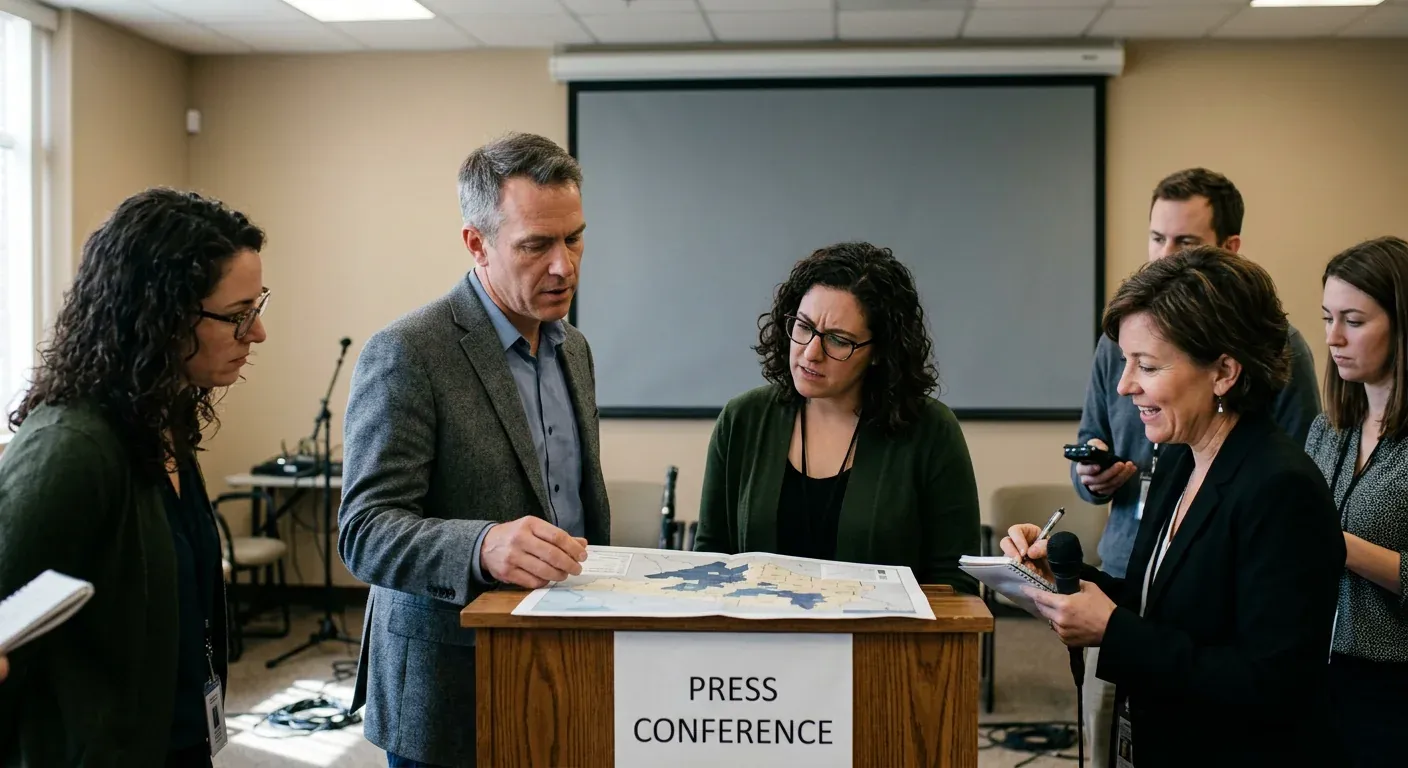 Policy & Regulation
 Akamai Proposes SAFE Cybersecurity Guidelines for AI Threats
 Policy & Regulation
 After ditching AI fitness apps and a Fitbit, I return to Peloton classes
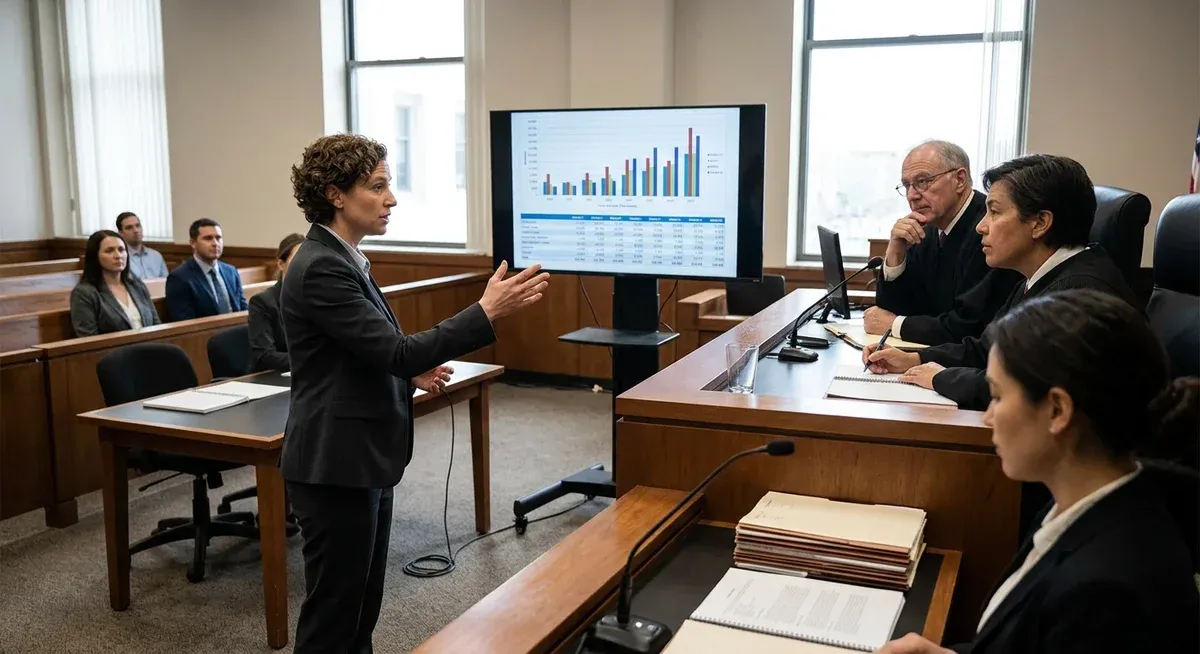 Policy & Regulation
 Sony Music, Warner Chappell Sue Anthropic Over "Blatant Theft
 From Archives
 Anthropic CEO Calls for Third-Party AI Evaluators
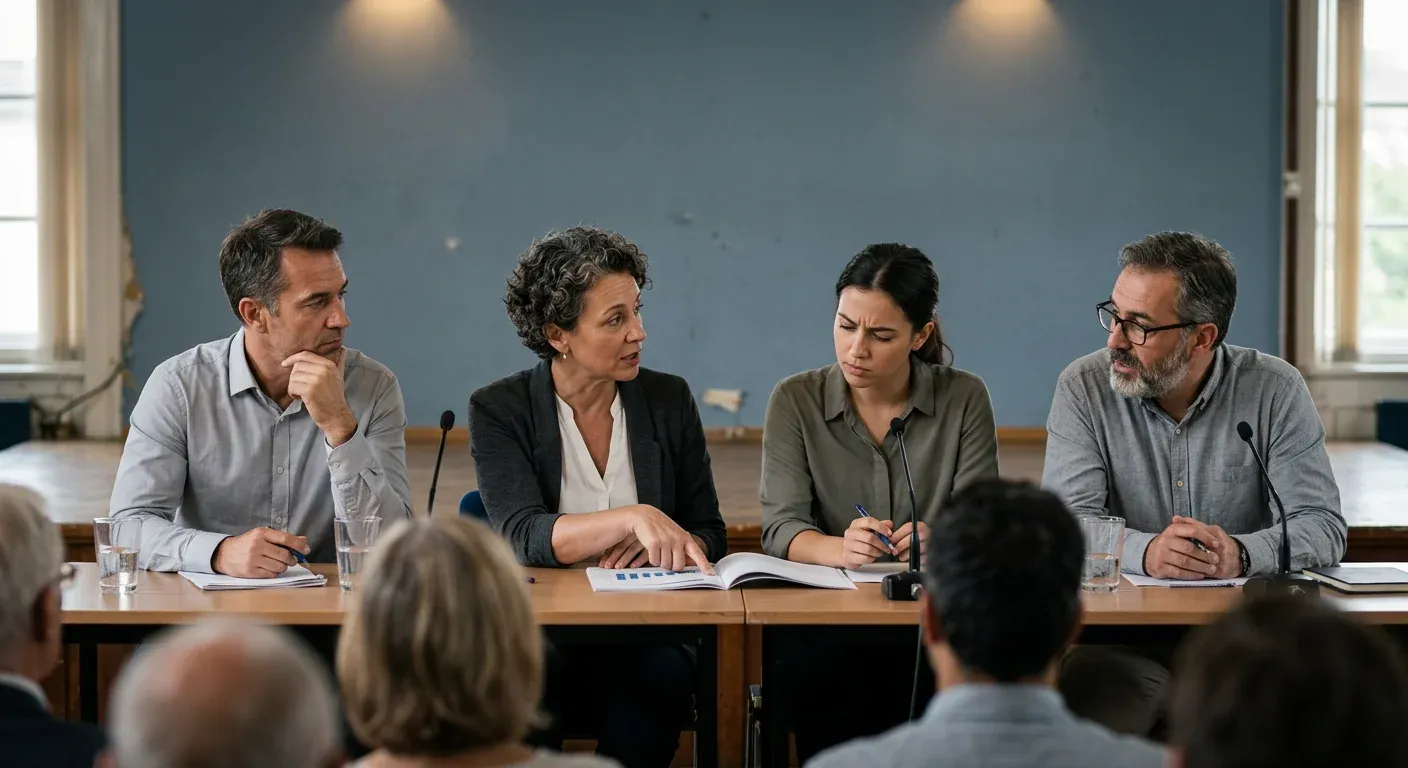 From Archives
 China counters U.S. AI safety warnings as "fearmongering
Common Questions Answered
What was Dario Amodei's proposal regarding frontier AI development?
Dario Amodei spent the weekend making a case for slowing down frontier AI development, with support from Sam Altman and Elon Musk. His proposal aimed to implement safety measures and pacing in AI advancement, though it ultimately faced rejection from both the U.S. and Chinese governments.
How did President Trump respond to Amodei's slowdown plan?
President Trump posted on Truth Social calling Amodei's warning a "hoax" and compared it to climate change rhetoric. He argued that the only guardrail AI needs is a "High IQ" president, referring to himself, and accused Amodei of playing political games rather than addressing legitimate safety concerns.
Why is the agreement between the U.S. and China on AI policy significant?
The U.S. and Chinese governments both rejected Amodei's slowdown plan, marking a rare point of agreement between the two rivals. This unified rejection effectively ended the safety-brake conversation at the government level and signals to frontier lab CEOs that regulatory friction will remain minimal, encouraging faster model releases and more competitive development.
What does the rejection of the AI slowdown plan mean for frontier lab founders and developers?
With both Washington and Beijing rejecting the pacing proposal, founders and developers now have a clear signal that AI development will accelerate without significant regulatory constraints. This outcome means less regulatory friction and more competitive pressure to release models faster, fundamentally shifting the landscape for frontier AI labs.
Further Reading
- Anthropic boss Dario Amodei calls for AI development to slow down - BBC News
- Anthropic C.E.O. Dario Amodei Calls for A.I. Slowdown - The New York Times
- Sam Altman and Elon Musk back Dario Amodei's call to slow ... - SiliconANGLE
- AI leaders endorse slowdown in their risky technology - POLITICO
- June 2026 US Tech Policy Roundup - Tech Policy Press
