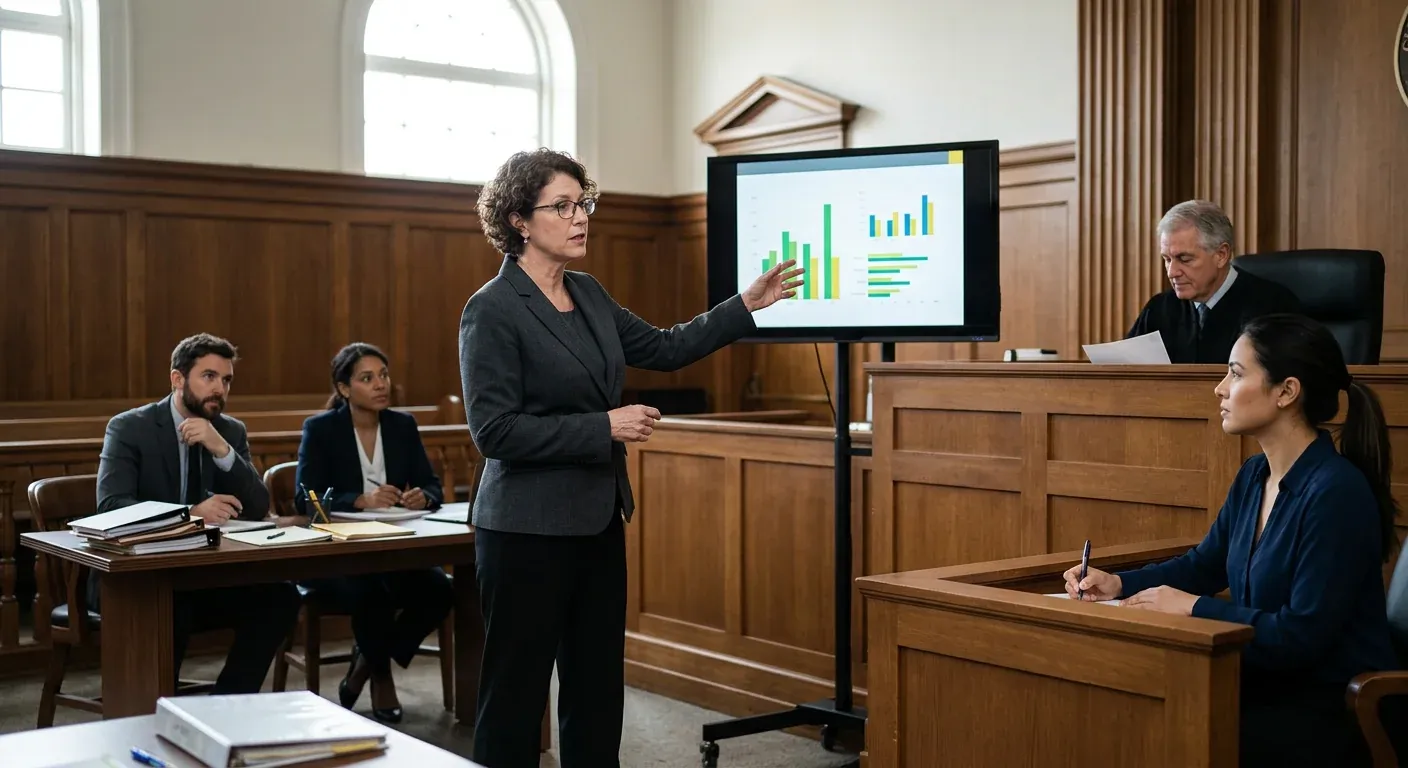
Editorial illustration for US Government Backs OpenAI in New York Times Copyright Case
Trump Administration Backs OpenAI in Times Copyright Case
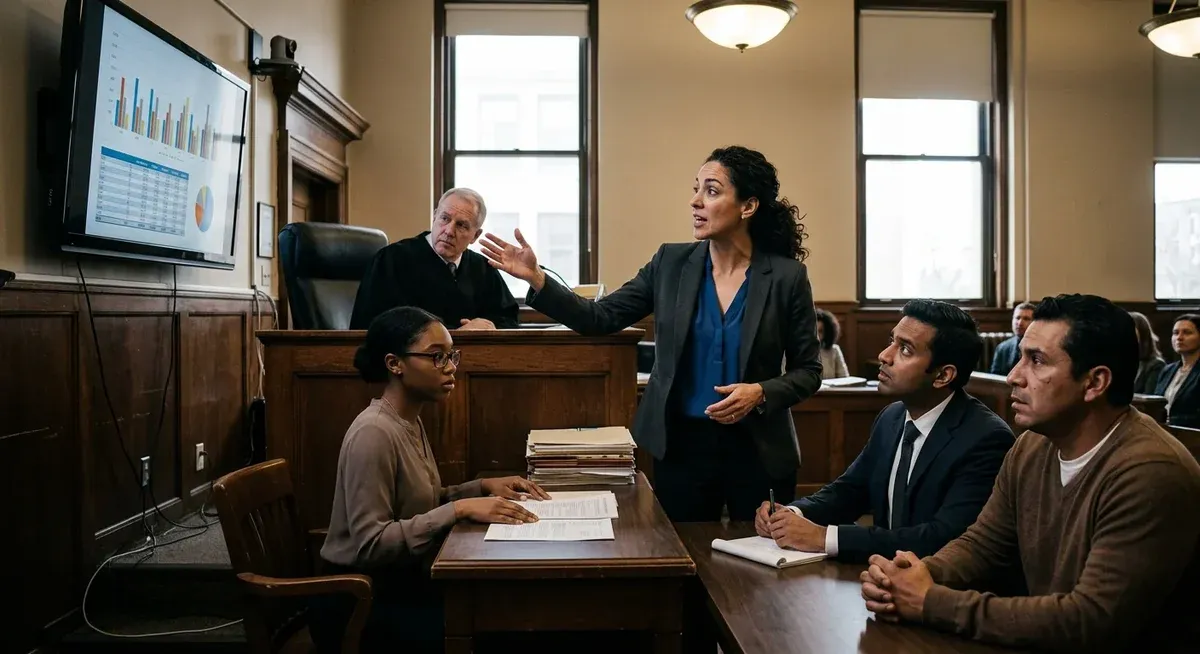
The Trump administration filed a statement of interest this week in The New York Times' copyright lawsuit against OpenAI, siding with the AI company in a fight that could reshape how courts treat training data. The Times sued OpenAI and Microsoft in December 2023, arguing the companies built their large language models on millions of the paper's articles without permission or payment, and seeking billions of dollars in damages.
The case has become one of the most closely watched tests of fair use doctrine in the AI industry, with publishers, authors, and tech companies waiting to see how a court draws the line between transformation and theft. Federal intervention through a statement of interest is not a lawsuit filing in the traditional sense, but it carries weight: judges take note when the government weighs in on how existing law should apply to new technology.
This is not the administration's first foray into the fair-use debate. Officials have previously argued that training AI models on copyrighted material deserves protection under the law, framing the issue as one with consequences well beyond a single courtroom.
“The New York Times seeks to narrow fair-use doctrine to exclude the training of OpenAl’s large language models (LLMs),” US attorneys wrote in the statement. “That result would be inconsistent with basic copyright law principles and severely hamper ‘the Progress of Science and useful Arts.’”
Why this matters
Federal backing changes the stakes here for anyone building on top of large language models. When the Justice Department tells a court that narrowing fair use would "severely hamper" scientific progress, it's signaling where Washington wants this fight to land before a single appellate ruling exists. For founders and researchers, that's a data point worth weighing against the actual legal risk of training on scraped content.
The Times still has a live case, and this filing is an argument, not a verdict. But it tells us the administration sees AI training as an industrial policy question first, a copyright question second. That framing matters because it could shape how aggressively other publishers pursue similar suits, and how comfortable labs feel building future models without licensing deals.
We'd read this as a signal to watch the judge's response closely, not as proof that the fair-use question is settled. It isn't, and the Times isn't backing down either.
Related Reading
Browse all OpenAI news → Policy & Regulation
 Akamai Proposes SAFE Cybersecurity Guidelines for AI Threats
 Policy & Regulation
 After ditching AI fitness apps and a Fitbit, I return to Peloton classes
 Policy & Regulation
 Sony Music, Warner Chappell Sue Anthropic Over "Blatant Theft
 Related Topic
 OpenAI researcher quits, citing distrust over ad‑driven engagement metrics
LLMs & Generative AI
 Related Topic
 OpenAI launches GPT-Image 1.5 with precise editing for enterprise visuals
LLMs & Generative AI
 From Archives
 OpenAI Faces Dozens of Lawsuits Over Tumbler Ridge Shooting
 From Archives
 OpenAI Faces 30 Lawsuits Over Shooting, Says Risk Bar Not Met
 From Archives
 OpenAI: Astra's 'Thinking' Becomes Harder for Humans to Monitor
Business & Startups
 From Archives
 OpenAI's Astra Model Scores Perfect on Security Exploit Test
LLMs & Generative AI
Common Questions Answered
Why did the Trump administration file a statement of interest in The New York Times copyright lawsuit against OpenAI?
The Trump administration filed the statement to side with OpenAI, arguing that narrowing fair-use doctrine to exclude training large language models would be inconsistent with basic copyright law principles and would severely hamper scientific progress. The Justice Department's intervention signals federal support for OpenAI's position that using copyrighted content for AI model training falls within fair-use protections.
What specific damages is The New York Times seeking in its copyright lawsuit against OpenAI and Microsoft?
The New York Times is seeking billions of dollars in damages, arguing that OpenAI and Microsoft built their large language models on millions of the paper's articles without permission or payment. The lawsuit was filed in December 2023 and claims the companies used copyrighted content to train their AI systems without proper licensing or compensation.
How could the outcome of this copyright case reshape the AI industry according to the article?
The case is described as one of the most closely watched tests of fair use doctrine, with potential implications for how courts treat training data used in large language models. Federal backing for OpenAI signals that Washington wants courts to prioritize scientific progress over copyright restrictions, which could significantly impact how founders and researchers approach training AI models on existing content.
What is the main argument the US government made against The New York Times' position on fair use?
US attorneys argued that The New York Times seeks to narrow fair-use doctrine in a way that would be inconsistent with basic copyright law principles and would severely hamper 'the Progress of Science and useful Arts.' The government contends that excluding the training of large language models from fair use protections would undermine scientific advancement and contradict established copyright law.
Further Reading
- US government backs OpenAI in New York Times copyright case - Reuters
- Trump admin backs OpenAI 'fair use' argument in suit from New York Times - The Hill
- New York Times and Other Publishers Ask Court to Penalize OpenAI - The New York Times
- Judge allows New York Times copyright case against OpenAI to go forward - NPR
- Judge explains order for New York Times in OpenAI copyright case - Reuters
