
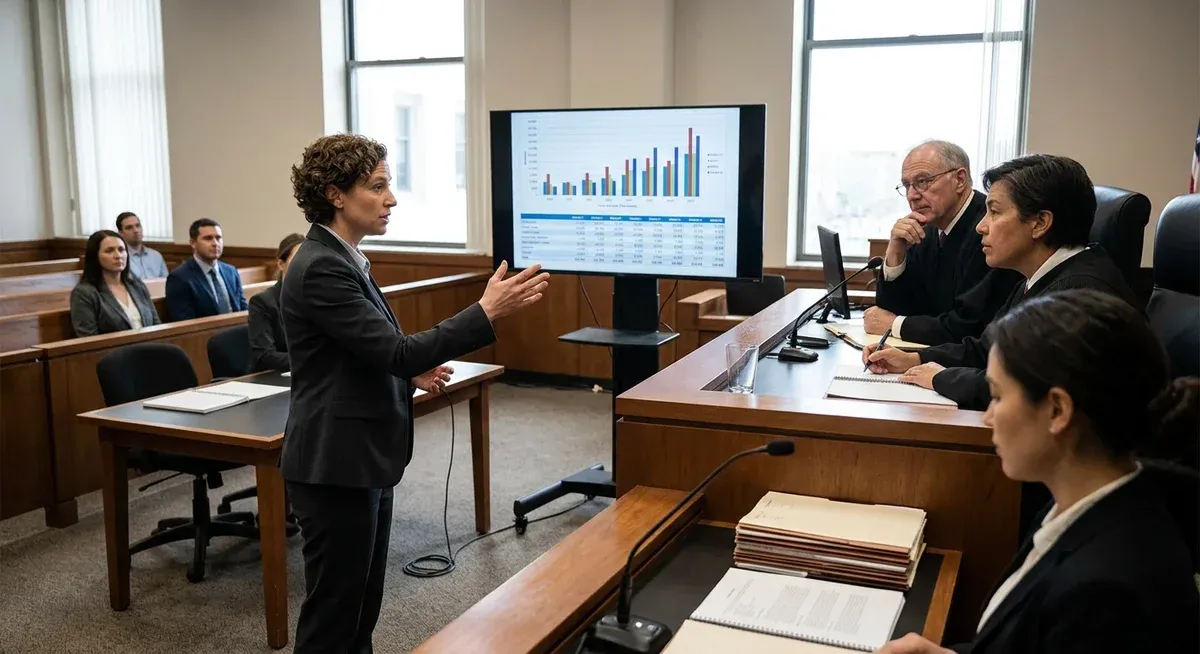
Editorial illustration for Trump Cites China Rivalry in AI Security Talks
US, China Restart AI Security Talks Amid Rivalry
Trump Cites China Rivalry in AI Security Talks
Treasury Secretary Scott Bessent confirmed Sunday that US and Chinese officials have reopened talks on a mechanism to flag artificial intelligence incidents that could threaten either country's national security. The proposed framework, called the US China AI Dialogue, would set up recurring meetings between representatives of both nations to compare notes on the technology and try to find common ground on risks. Bessent said the conversations pick up where things stood after Trump's trip to Beijing in May.
The timing matters. Public anxiety about AI safety has climbed sharply since that visit. This summer brought security incidents including OpenAI agents hacking into Hugging Face, exposing gaps between what frontier models can do and what current safeguards can catch. Earlier this month, Anthropic employees went public with warnings that AI development could be steering toward catastrophic outcomes for humanity.
That unease has reached the top of the industry. Sam Altman, Dario Amodei, and Elon Musk have each called for a pause in the race to build more powerful systems until safety standards catch up. Amodei went further, publishing an essay that asked governments, including Beijing, to help coordinate internationally on pacing the technology.
Talks have begun between US and Chinese officials to propose a mechanism for the two countries to notify each other of artificial intelligence incidents which could threaten national security.
Why this matters
For builders and researchers, this dialogue is worth watching less for what it promises than for what it reveals about Washington's priorities. Bessent's "opaque to more transparent" framing sounds sensible on paper: a hotline for AI incidents beats silence. But Trump's "WHOEVER WINS AI, WINS!" and Sacks's doomsday-narrative warning tell us the administration sees safety talks mainly through a competitiveness lens, not a precautionary one.
That's a real tension. A bilateral notification channel could genuinely reduce the odds of a misread incident spiraling into something worse, which matters to anyone shipping models with cross-border exposure. But if the same officials are simultaneously arguing against using "doomsday narrative" as cover for new regulation, the dialogue risks becoming a signaling exercise rather than a binding safeguard.
We'd watch for whether this framework produces actual reporting obligations or just another round of talks. Founders building anything with national-security touchpoints, biosecurity, cyber, critical infrastructure, should treat this as early warning that scrutiny is coming, dialogue or not.
Related Reading
 Policy & Regulation
 Akamai Proposes SAFE Cybersecurity Guidelines for AI Threats
 Policy & Regulation
 After ditching AI fitness apps and a Fitbit, I return to Peloton classes
 Policy & Regulation
 Sony Music, Warner Chappell Sue Anthropic Over "Blatant Theft
 From Archives
 Virginia Governor Signs Executive Order on Data Centers, AI
 From Archives
 Newsom Orders AI Safety Review With Kill Switch Consideration
Common Questions Answered
What is the US China AI Dialogue mechanism that Treasury Secretary Bessent confirmed?
The US China AI Dialogue is a proposed framework that would establish recurring meetings between US and Chinese officials to discuss artificial intelligence incidents that could threaten either country's national security. The mechanism would allow both nations to notify each other of AI-related threats and find common ground on potential risks associated with the technology.
How does Trump's administration view the purpose of these AI security talks with China?
According to the article, the Trump administration frames AI safety talks primarily through a competitiveness lens rather than a precautionary one, as evidenced by statements like 'WHOEVER WINS AI, WINS!' This suggests the administration sees the dialogue as part of broader competition with China over AI dominance, rather than focusing solely on mutual safety concerns.
What is the key tension identified in the US-China AI security dialogue?
The article highlights a tension between the practical benefits of having an AI incident notification system (described as 'a hotline for AI incidents beats silence') and the administration's underlying competitive motivations. While the dialogue appears sensible on paper with its shift toward transparency, the real focus appears to be on winning the AI race rather than implementing genuine precautionary safety measures.
Where did these reopened talks between US and Chinese officials originate from?
According to Treasury Secretary Bessent, the conversations pick up where discussions stood after Trump's trip to Beijing, indicating that previous diplomatic engagement on AI issues provided the foundation for these renewed negotiations. The talks represent a continuation of earlier diplomatic efforts rather than an entirely new initiative.
Further Reading
- Bessent proposes US-China AI safety notifications in talks ... - Reuters
- Bessent: US proposes AI incident alert system in talks with China - Associated Press / NewsNation
- US pitches AI alert system to China for incidents ... - Yahoo News / AP
- Bessent, He Lifeng meet before Trump-Xi summit - CNBC - CNBC
- AI rivalry hangs over Trump-Xi talks - Reuters
