Editorial illustration for King's AI Discussion Draws Industry Leaders
King Charles Hosts AI Leaders at Dumfries House
King's AI Discussion Draws Industry Leaders
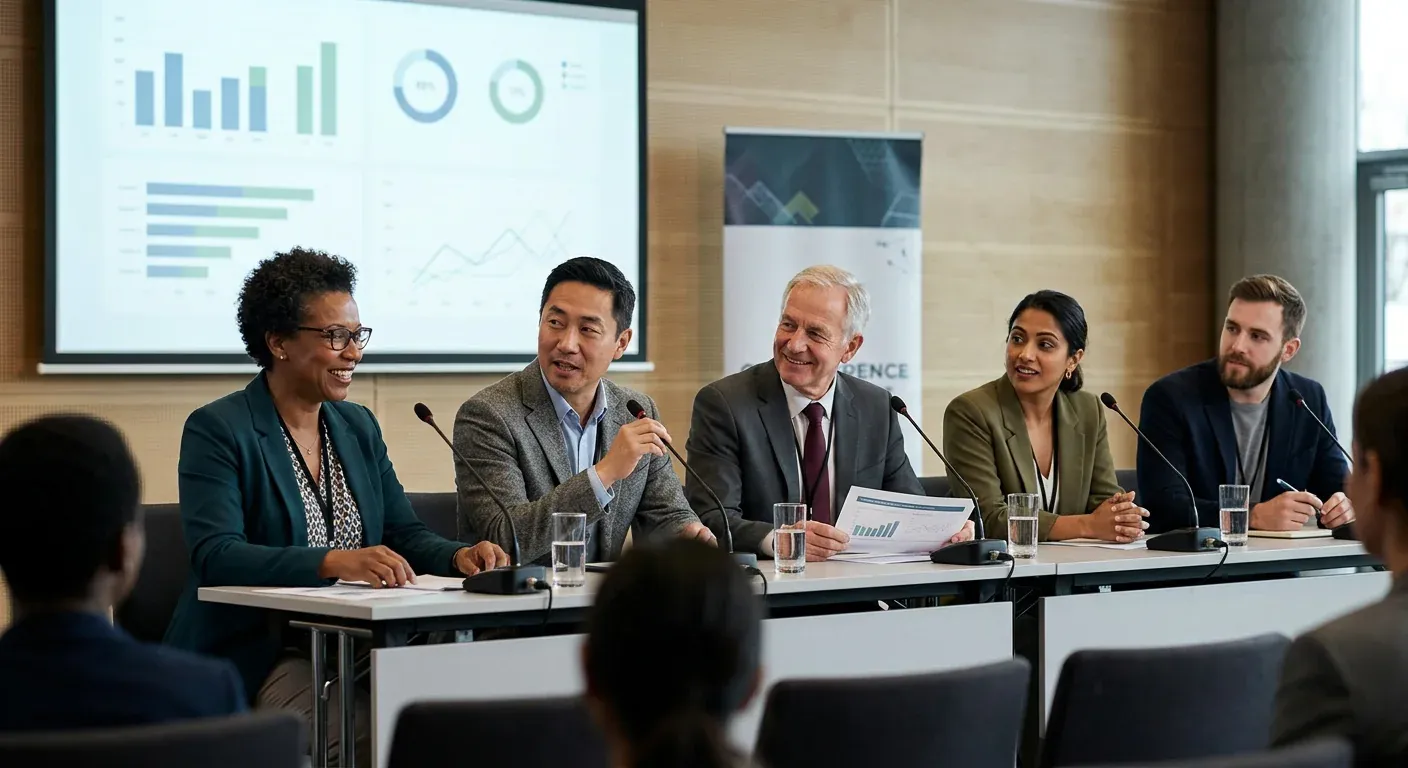
King Charles gathered some of the most powerful people in artificial intelligence at Dumfries House on Thursday, an 18th-century estate in Ayrshire owned by his charitable foundation. Nvidia's Jensen Huang attended, along with executives from OpenAI and Anthropic, the U.K.'s newly appointed AI minister Kanishka Narayan, and the head of Britain's foreign intelligence service. Paolo Benanti, the Vatican's own adviser on AI, sat in the room too.
The guest list alone made the meeting unusual. What made it more so was the king's willingness to speak plainly about a subject that sits squarely in political territory, an area the royal family typically avoids for constitutional reasons. AI is arguably the most contested technology issue on the planet right now, and Charles didn't sidestep it.
The timing matters. Just days earlier, a researcher at Anthropic resigned, warning publicly that AI firms are building systems "much smarter than any human" and that humanity "may not survive" the outcome. That backdrop shaped what the king chose to say next, in a room full of the people building the technology he was warning about.
“AI is already showing immense capacity to improve and save life,” he said, citing medicine and science as an example. “Yet those who have created these technologies are now increasingly warning that AI risks developing darker capacities, perhaps even to take life.”
Why this matters
A private gathering at a royal estate with Jensen Huang, OpenAI and Anthropic leadership, MI6's chief, and the pope's AI advisor in one room tells you where the real conversations about AI governance are happening, and it's not in public comment periods or congressional hearings. Dumfries House isn't Davos, but the guest list suggests the same players are consolidating influence over how AI gets discussed at the highest levels of state and church alike. For builders and researchers, the takeaway isn't the king's specific remarks, it's the signal: when foreign intelligence chiefs and religious advisors are pulled into the same room as frontier lab executives, the framing of AI is shifting from "product safety" to something closer to statecraft.
Anthropic's carefully worded gratitude about "serving the public good" is the kind of language that plays well in a press release but tells us little about what was actually negotiated. Watch whether concrete policy commitments follow, or whether this was mostly image management for labs eager to look accountable to something other than their own boards.
Related Reading
 Research & Benchmarks
 Microsoft AI Chief: "If It Isn't Safe We Shouldn't Build It
 Research & Benchmarks
 Google's FACTS benchmark shows 70% factuality ceiling across four tests
 Research & Benchmarks
 Nvidia's DLSS 4.5 beta adds 6x Multi Frame Generation for RTX 50 GPUs
 From Archives
 Analysts Challenge AI Hype in Major New Essay
 From Archives
 AI Safety Expert Warns of Risks to Idaho Hospitals
Common Questions Answered
Who were the key attendees at King Charles's AI discussion at Dumfries House?
The meeting brought together Nvidia's Jensen Huang, executives from OpenAI and Anthropic, the U.K.'s newly appointed AI minister Kanishka Narayan, the head of Britain's foreign intelligence service (MI6), and Paolo Benanti, the Vatican's adviser on AI. This unprecedented gathering of tech leaders, government officials, and religious advisers highlighted the significance of the discussion on artificial intelligence governance.
What was King Charles's main concern about AI capabilities mentioned at the meeting?
King Charles acknowledged that AI is already showing immense capacity to improve and save life in fields like medicine and science, but he emphasized that those who created these technologies are increasingly warning about AI risks developing darker capacities, potentially even to take life. His statement reflected a balanced perspective on both the beneficial and dangerous potential of artificial intelligence.
Why does the article suggest this private meeting at Dumfries House is significant for AI governance?
The article argues that this private gathering demonstrates where real conversations about AI governance are actually happening, outside of public comment periods or congressional hearings. The consolidation of influence among tech builders, state officials, and religious institutions at Dumfries House suggests that major decisions about AI policy are being shaped at the highest levels of government and church rather than through traditional public processes.
What role did the Vatican play in King Charles's AI discussion?
Paolo Benanti, the Vatican's own adviser on AI, attended the meeting at Dumfries House, representing the Catholic Church's perspective on artificial intelligence governance. His presence alongside tech executives and government officials underscored the importance of religious and ethical considerations in discussions about AI development and regulation.
Further Reading
- King Charles hosts AI executives in Scotland for safety talks - Quartz
- King Charles Will Convene A.I. Leaders Amid Calls to Slow Development - The New York Times
- King Charles to host exclusive AI gathering - Politico
- The King convenes tech leaders for AI Summit in Scotland - The Royal Family
- Who Made the Guest List for King Charles III's AI Summit - Bloomberg Law
