Research & Benchmarks - Page 32 of 34
Academic AI research, performance benchmarks, scientific breakthroughs, and peer-reviewed studies advancing artificial intelligence frontiers.
680 articles
View complete article list
Academic AI research, performance benchmarks, scientific breakthroughs, and peer-reviewed studies advancing artificial intelligence frontiers.

Silicon Valley is bored with deserts and riverbanks. Its newest real estate play is a few hundred miles straight up. A handful of companies are pitching orbital data centers. The pitch is simple: space has the things Earth is running out of.

Pharma executives have grown weary of the AI revolution hype. What they want to see is the invoice. With each new drug costing roughly $1 billion and a decade to develop, the pressure for a cheaper, faster shortcut is immense.

Google's new AI makes a convincing fake surgeon. A fresh benchmark proves it's just playing dress-up. Veo-3, the company's latest video generation model, was put through a medical simulation test.
Amazon just gave the self-publishing crowd another AI tool. It’s a beta service that lets authors translate their Kindle books into new languages, starting with English-Spanish and German-English pairs.

Most AI hype is just text. A model writes a paragraph, you read it, nothing actually happens. A new trick is changing that. Researchers are now turning language models from chatbots into workers that can pick up tools and run a job.
The standard tests for large language models used to be forgiving. Not anymore. ComputeEval 2025.2, NVIDIA’s new benchmark, just made them brutally difficult by adding 232 distinct CUDA programming problems.
Google Cloud will rent out its newest AI chip within weeks. The Ironwood TPU is a direct shot at Nvidia. It arrives as the demand for raw computing power hits a fever pitch. Google isn't testing the waters.
OpenAI will not ask for a government guarantee on its AI infrastructure. CFO Sarah Friar made that clear. In a tech sector often hoping for a federal safety net, it's a notable stand. The line is drawn at direct backstops.
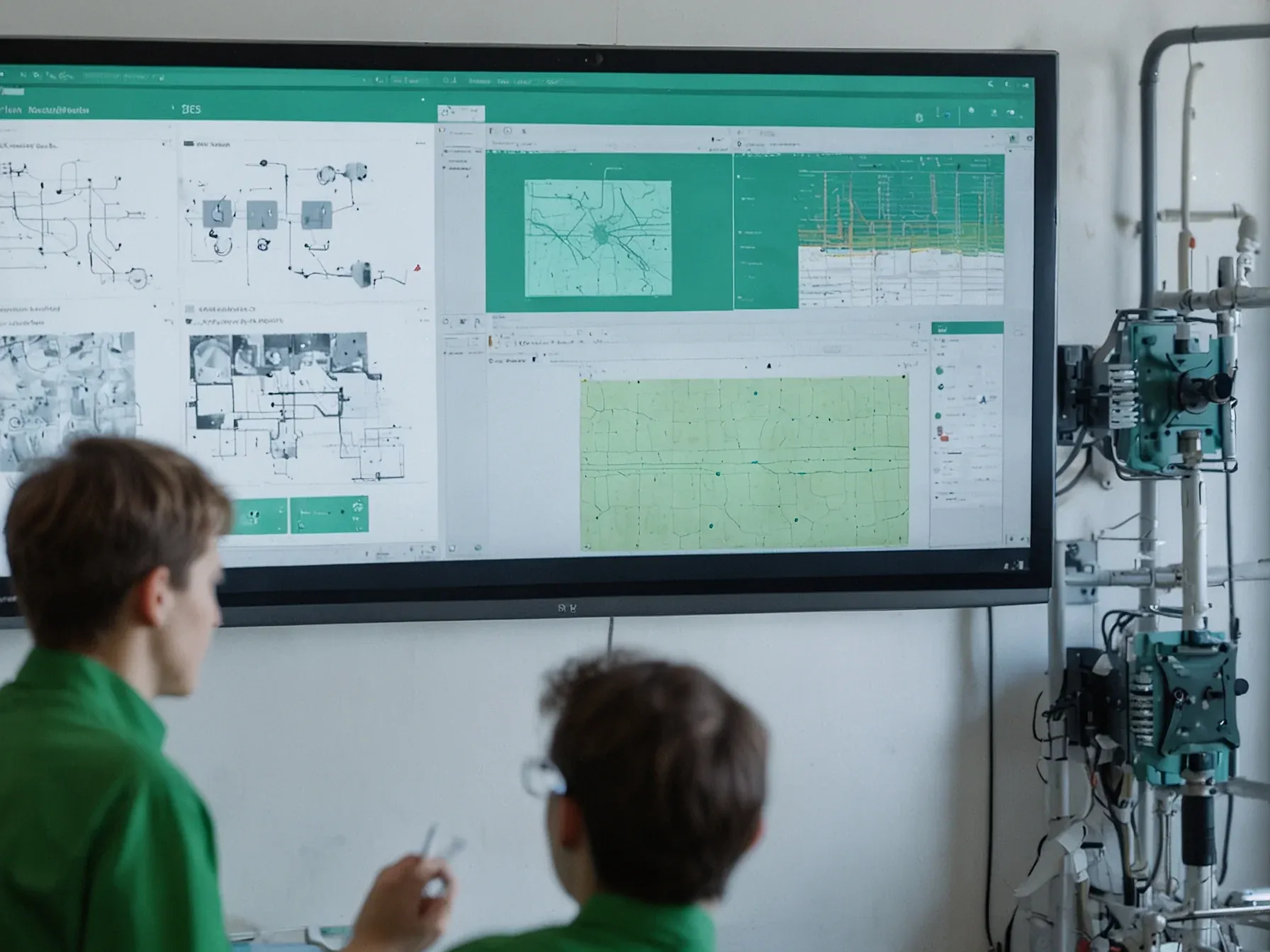
Building a proper AI for German is harder than it should be. The data you need is either locked up or legally murky. A group of researchers just built a public tool to fix that.
Training an AI on web search results is a pain. The data is messy, the formats keep changing, and writing a scraper that doesn't break is a full-time job. SerpApi says it can fix that.

You won’t find a jaguar on your phone, but you might hear one. A new app called Forest Listeners is turning the tedious work of cataloging jungle sounds into a game anyone can play from their couch. It’s built on a simple, clever idea.

John Thompson, who used to run Microsoft's board, recently told a room full of people in Bengaluru that artificial intelligence is about to make entry-level jobs scarcer. He should know. This isn't a vague futurist talking.

The AI industry is sprinting to build smarter models. Yet inside the sprawling data warehouses of Databricks, a $43 billion infrastructure giant, engineers see a different race entirely. Everyone is building.

Ninety-eight percent is a number you see on a product label, not in an industry survey. It means almost everyone. According to new research, that's how many market researchers now use AI. The total adoption happened quietly, and it's already over.
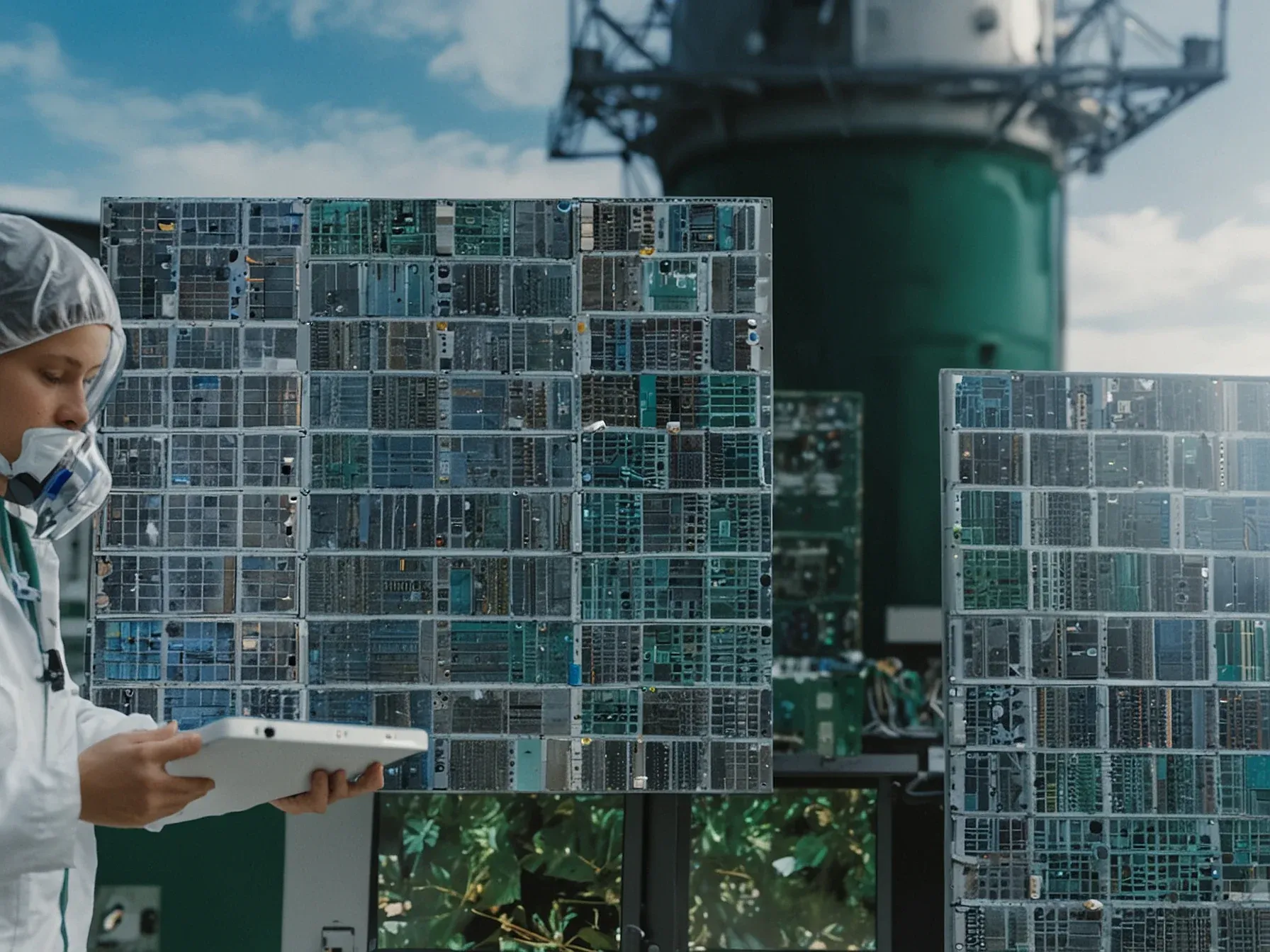
Google's latest research paper isn't about a better search algorithm. It's a blueprint for launching the company's custom AI hardware, its tensor processing units, into orbit.
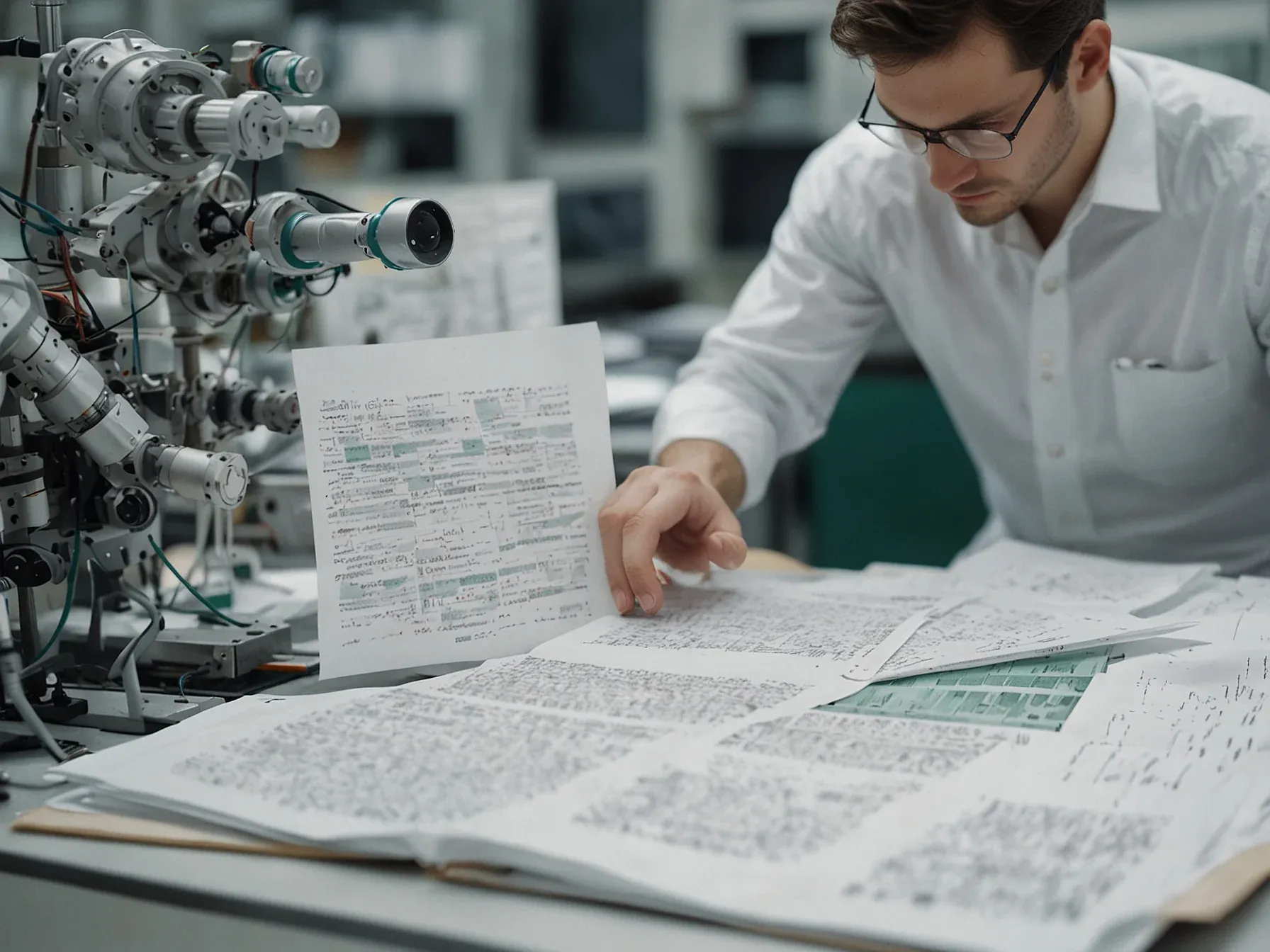
The flood hit Arxiv's computer science section first. The preprint server, a cornerstone of open research for decades, is now choking on what its moderators call AI-generated sludge.
OpenAI’s latest benchmark reads like a memo to its own engineering team: we are missing India. It’s a tacit admission that their models, trained on a global corpus, fail in specific, local ways.

An AI research tool has generated an entire scientific paper and then, in a twist, acted as its own peer reviewer. The paper was accepted for a conference. The tool is called Denario, and it’s not just writing.
Everyone tells you to learn data science. Nobody tells you what to do with it. You download a spreadsheet, stare at columns named ‘VAR_07’ and ‘Q4_P1’, and feel like you’ve made a terrible mistake.

About one in ten articles in a US newspaper now has some machine-generated text in it. Readers are rarely told. This is not a future scenario.
Learn to build AI-powered apps without coding. Our comprehensive review of No Code MBA's course.
Curated collection of AI tools, courses, and frameworks to accelerate your AI journey.
Get the week's most important AI news delivered to your inbox every week.