Open Source - Page 30 of 33
Open-source AI projects, community innovations, collaborative development, and freely accessible AI tools and frameworks.
642 articles
View complete article list
Open-source AI projects, community innovations, collaborative development, and freely accessible AI tools and frameworks.
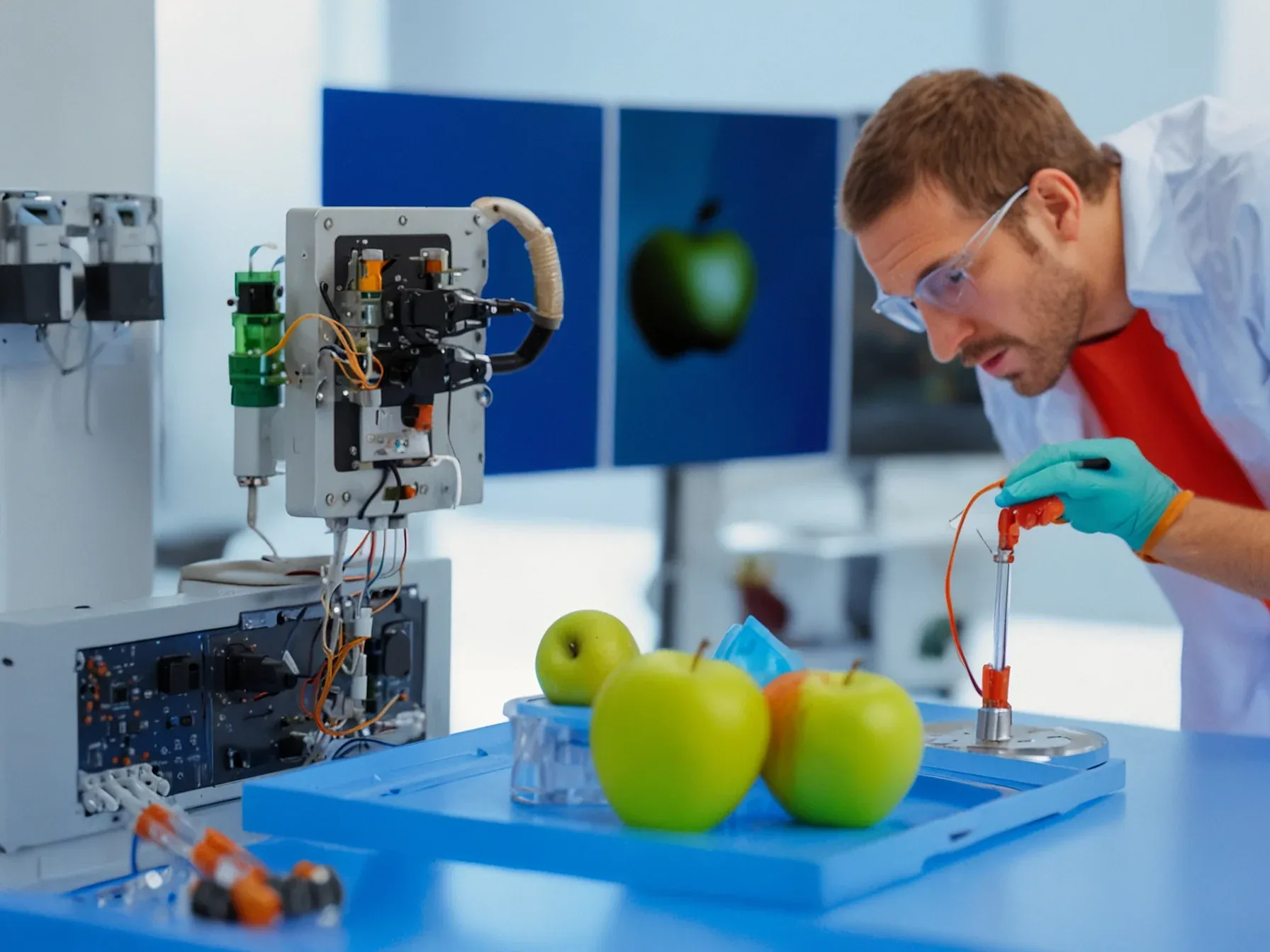
Apple’s STARFlow-V sidesteps diffusion entirely, a bold move in an era dominated by noisy, iterative generation. Yet for all its ingenuity, the model still stumbles on the long haul.

This week, the uncanny valley just got deeper. Zoe Schiffer and Leah Feiger break down three stories that refuse to follow the narrative.

The model is called Apriel-1.5-15B-Thinker. Fifteen billion parameters, open-weight, and built by ServiceNow AI to do something refreshingly rare in the coding-AI race: it thinks before it types.
Another open-source model claims it can compete with the giants. This time, it might be right. Mistral Large 3 is now the second-ranked open-source model on the LMArena leaderboard, sitting sixth overall.

Look closer at that ferry boat image. The overly sharp edges, the artificial pop, it’s the unmistakable fingerprint of a smartphone camera. Google’s AI has learned to mimic that look, and it’s doing so with unsettling precision.

Country music's production line just got an assembly robot. The new AI tool Suno can generate complete, genre-faithful tracks from a simple text prompt, sidestepping the traditional grind of studio sessions and session musicians.
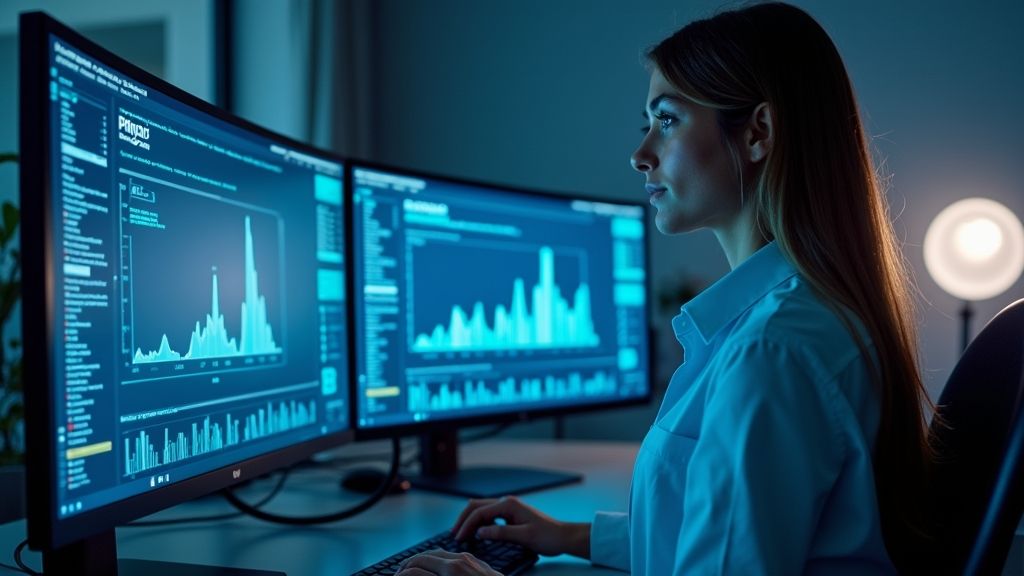
Mixture-of-Experts models are compute gluttons. Running them is famously expensive. NVIDIA’s new Blackwell NVL72 system directly tackles that cost, executing models like DeepSeek-R1 ten times faster than its Hopper predecessor could.

Fortell just threw its new hearing aid into a scientific gladiator arena. The startup enlisted audiology and neuroscience experts from NYU Langone Health to design a blind test, pitting its device directly against the reigning champion: Phonak.

Arcee just dropped a gauntlet. Two new models, both under Apache 2.0, a license that signals real openness. Trinity Mini, with 26 billion parameters but only 3 billion active per token, is built for speed and reasoning.

Mistral's latest model has arrived, and it's free for anyone to use. The company just launched Mistral Large 3 under the Apache-2.0 license. It processes both text and images.
Ask an AI for a math answer today, and you'll get one instantly. Ask it to produce a formal proof—the structured, logically sound kind required for publication—and the task becomes fiendishly difficult.

Imagine pointing at a 3D scan and asking for just the tall lamp beside the sofa, not the sofa, not the floor lamp, not everything vaguely vertical. Existing models can’t do that. They chunk the world into broad bins: chair, table, human.
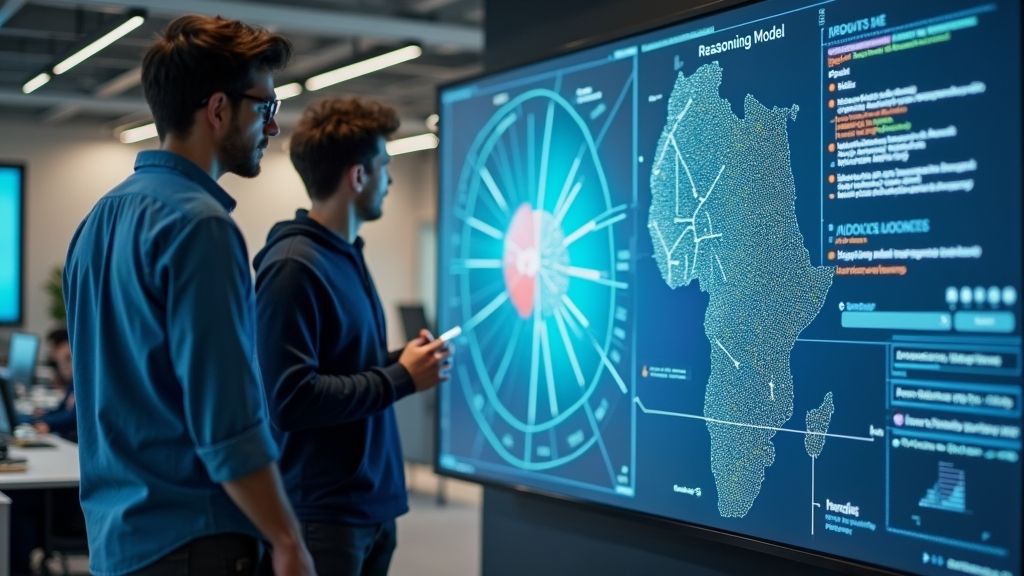
DeepSeek’s V3.2 reasoning model arrives with a bold claim: it’s designed to be your daily driver at GPT-5 performance.

Most software tries to hide the terminal. Pinokio 5.0 just makes it useful. The new version shoves command-line tools directly into the app itself. You can launch them with a click, bypassing the usual mess of separate windows.
American AI labs treat their best models like state secrets. Deepseek just published the blueprint for theirs. The Chinese company's latest math model, DeepseekMath-V2, solves gold-medal International Math Olympiad problems.
Every AI model launch is a marketing campaign, and the benchmark scores are its slogans. Alibaba's new Qwen3-VL is selling a simple, brutal pitch: it can watch a two-hour video and tell you what happened.

DeepSeekMath-V2 just aced the hardest math tests on Earth. Gold at the International Mathematical Olympiad 2025, a top score on the China Mathematical Olympiad, a 118 out of 120 on the Putnam. It beat the best human Putnam score by a wide margin.
Image recognition software has always needed a menu. Ask it to find a dog, a car, a person. Ask it to find "my grandmother's chipped teacup" or "the kid in the blue hat" and it fails. The system is blind to anything it wasn't explicitly told to see.

The data highway is clogged. As AI models balloon to trillion-parameter scale, the pipes connecting chips, clusters, and continents have become the bottleneck, a crawling traffic jam that throttles training speed and inflates costs.
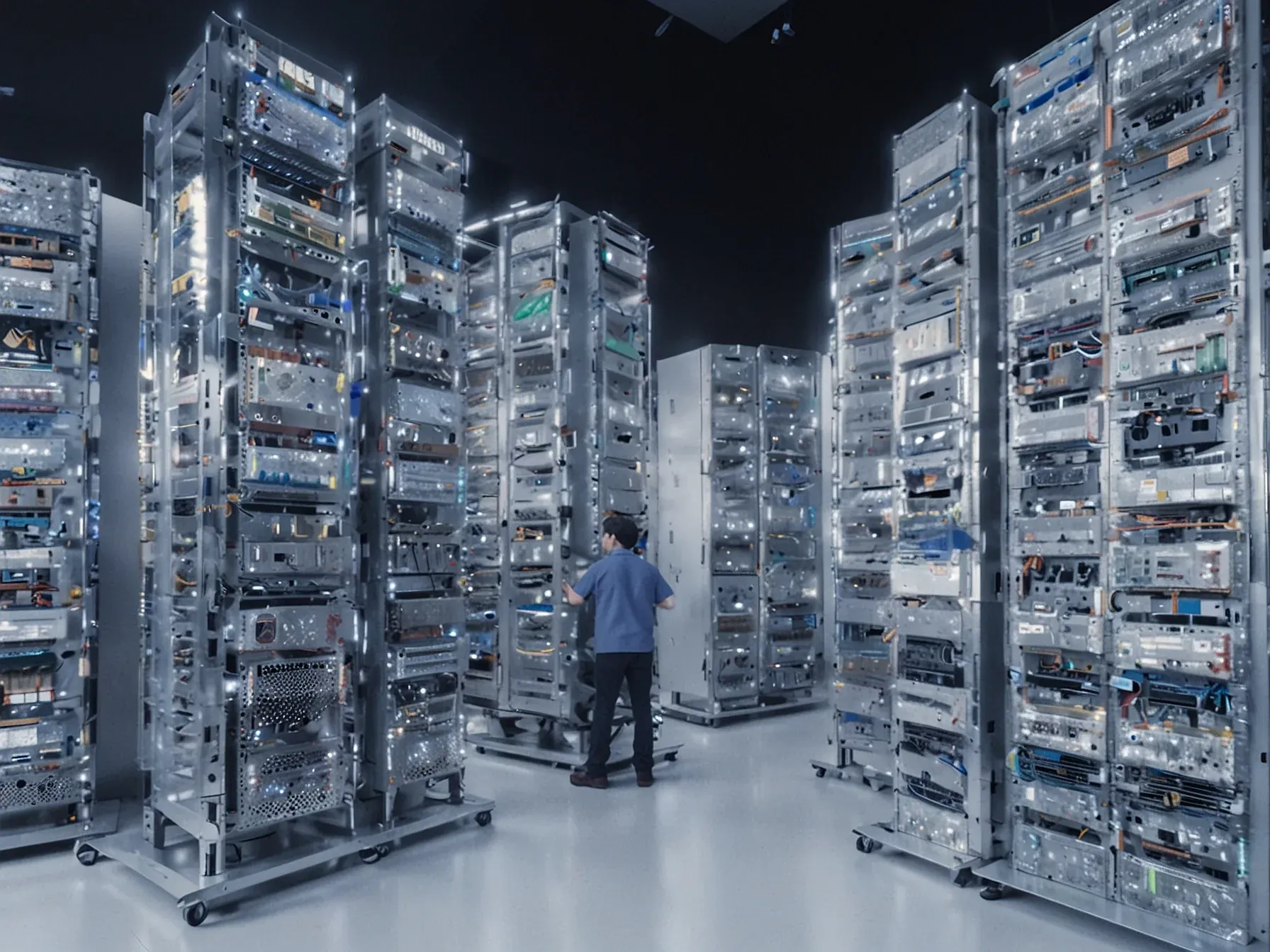
Mark Zuckerberg is about to spend a breathtaking sum of money. Meta's capital expenditure is projected to blast past $100 billion in 2026.
Learn to build AI-powered apps without coding. Our comprehensive review of No Code MBA's course.
Curated collection of AI tools, courses, and frameworks to accelerate your AI journey.
Get the week's most important AI news delivered to your inbox every week.