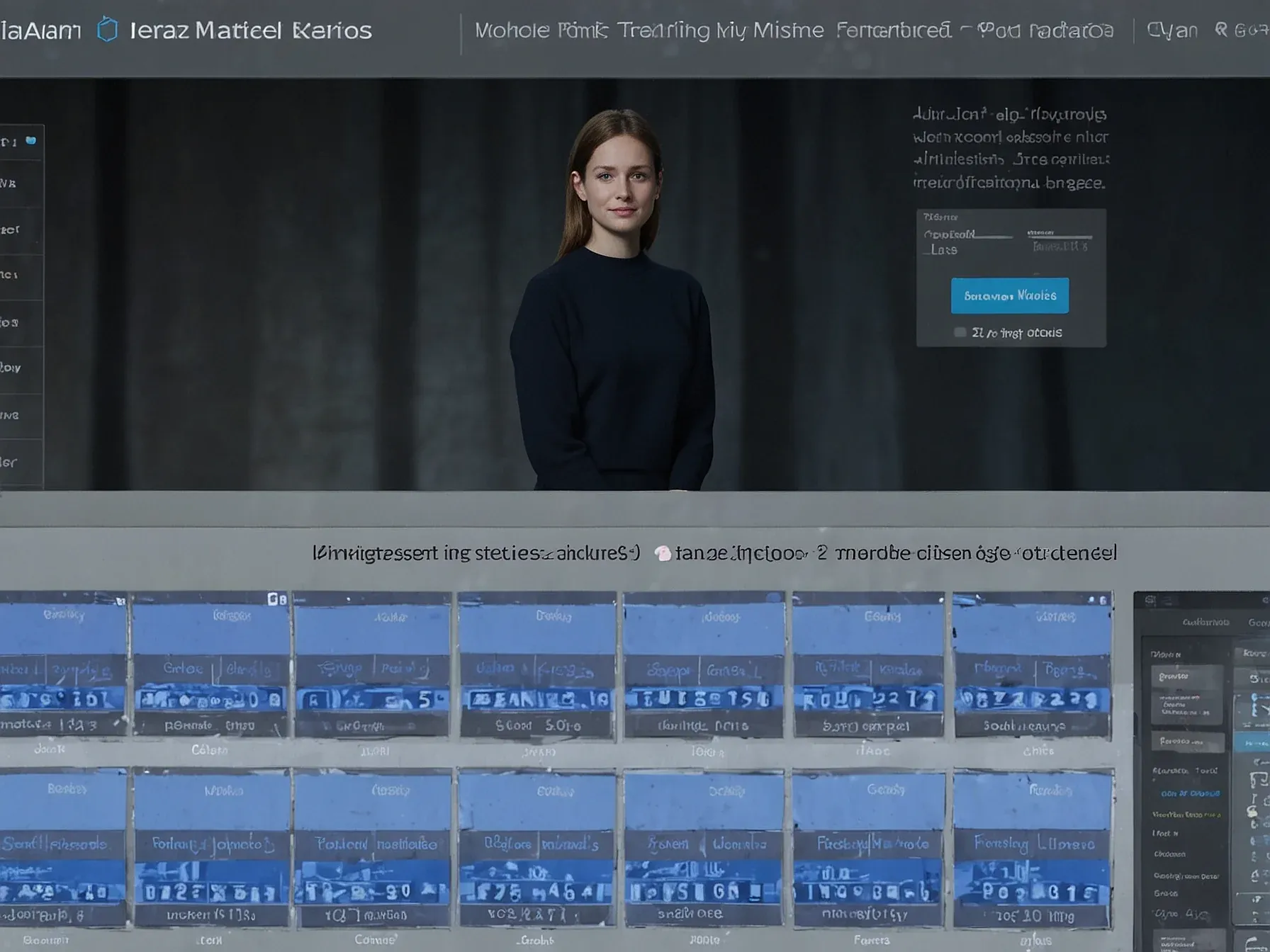
Editorial illustration for AI Image Tools Let Users Customize Output Size, Quantity, and Style
Free AI Image Tools Offer Custom Size and Style Control
Free AI Image Generators Offer Customizable Outputs, Size and Quantity Control
The world of AI image generation is rapidly evolving, offering users unusual control over their creative outputs. Gone are the days of one-size-fits-all image creation, where artists and designers were limited by rigid generation tools.
Today's AI image platforms are putting powerful customization features directly into users' hands. Creators can now fine-tune every aspect of their digital artwork, from image dimensions to stylistic preferences.
But what exactly does this newfound flexibility look like in practice? The options might surprise even seasoned digital artists. Imagine generating multiple images with a single prompt, adjusting sizes on the fly, and exploring a vast landscape of artistic styles - all with just a few clicks.
These emerging tools are transforming how we think about digital image creation. No longer passive recipients, users are becoming active collaborators in the AI image generation process.
Curious about how deep these customization options really go? Here's what you need to know about the latest developments in AI image generation.
Healthy Tip: Before we start, note that AI image generators provide you with ample options to customise your image as required. You can control the number of images generated per prompt, the size and orientation of these images, as well as choose your preferred image styles from a long list of options. So, for the best results, make sure you adjust these settings before you hit "Generate." Consider this the Elon Musk of AI image generation tools, which is an irony, as Elon Musk has his own AI image generator in this list.
Nano Banana left millions, if not billions, flabbergasted with its image generation capabilities ever since its debut. The AI tool by Google's Gemini doesn't just create new images based on your prompts; it even edits existing ones, giving you the best version of any image within an instant.
AI image generation just got more user-friendly. These tools now let creators customize their visual outputs with unusual precision, giving users real control over their digital artwork.
Creators can now dial in exactly what they want: controlling image quantity, size, and style with simple settings. This means no more one-size-fits-all approaches to AI-generated visuals.
The flexibility is striking. Want multiple images from a single prompt? Done.
Prefer a specific orientation or dimensions? Easy. Seeking a particular aesthetic style?
Just select it from the available options.
Smart users will take time to explore these settings before hitting "generate." The right tweaks can transform a generic output into something truly personalized and compelling.
While the technology feels nascent, these customization options suggest AI image tools are maturing quickly. They're moving from experimental curiosities to practical creative instruments that give users genuine agency.
The message is clear: AI isn't just generating images anymore. It's letting humans guide the creative process with unusual granularity.
Further Reading
- The new ChatGPT Images is here - OpenAI
Related Reading
 AI Tools & Apps
 Claude gains shared context in Excel, PowerPoint; Microsoft adds Copilot Cowork
 AI Tools & Apps
 OpenAI Developer: AI Agent "Swarms" Waste Tokens, Create "Coordination Tax
 AI Tools & Apps
 LG's recent webOS update adds Microsoft Copilot app, now removable
 From Archives
 Deductive AI cuts DoorDash debugging time, saving 1,000 engineer hours
 From Archives
 9% trust AI code alone; 58% see entry tasks cut, 63% see paths, 59% foresee roles
Common Questions Answered
How can users customize AI image generation outputs?
Users can now control multiple aspects of AI-generated images, including the number of images produced per prompt, image dimensions, orientation, and specific stylistic preferences. These customization features allow creators to fine-tune their digital artwork with unprecedented precision and flexibility.
What makes modern AI image tools different from earlier generation platforms?
Unlike previous one-size-fits-all image creation tools, current AI platforms offer users extensive control over their visual outputs. Creators can now adjust settings like image quantity, size, and style, giving them more creative power and personalization options.
Why are AI image generation tools considered more user-friendly now?
Modern AI image tools provide creators with granular control over their digital artwork, allowing them to specify exact requirements for their generated images. These platforms enable users to dial in precise specifications, from the number of images to specific stylistic elements, making the creative process more intuitive and tailored.
