Research & Benchmarks - Page 19 of 35
Academic AI research, performance benchmarks, scientific breakthroughs, and peer-reviewed studies advancing artificial intelligence frontiers.
698 articles
View complete article list
Academic AI research, performance benchmarks, scientific breakthroughs, and peer-reviewed studies advancing artificial intelligence frontiers.

Why does this matter? Companies deploying retrieval‑augmented generation (RAG) often chase tighter precision by tweaking the underlying embedding layers, assuming tighter vectors will feed cleaner results to downstream agents.

An AI pipeline can look flawless in testing. Under real-world load, something subtle shifts. No crash. No alert. Just a quiet divergence, the sequence of retrieval, inference, tool use, and downstream action begins to drift.

Most AI agent tests live in a walled garden of text and APIs. Not OSWorld. Princeton researchers built it to throw models into a real desktop environment—a full computer, with no shortcuts allowed. The result? A stark 60-point performance gap.

We've been building better search the wrong way. For years, retrieval meant vectors. You'd smash text into dense embeddings, throw them into a specialized database, and hope the nearest neighbor was the right answer.

Anthropic called its Mythos AI too dangerous to release. That was the official story. On Discord, a different narrative emerged. A handful of users, sifting through a leaked dataset from the training startup Mercor, made a simple guess.

Imagine a single model that looks at an image and does it all, segments objects, measures depth, reads surface angles, and does it better than the specialists built for each. That’s the leap Google DeepMind just pulled off with Vision Banana.

The protein-folding models were always destined for the real world. That was the whole point. Now a spinoff from DeepMind is pushing drugs designed by its Nobel-winning AI into human trials.

The AI industry is obsessed with memory. It's treated as a mystical new organ, demanding custom architecture and bespoke brain-lobes. Then a formal academic document, the COALA paper, dropped a deflatingly simple taxonomy.

The dream of training AI at planetary scale has always collided with a brutal physics problem: moving data between continents is slow, expensive, and unreliable.

Your agent performs flawlessly in staging. Then reality hits. Users do the unexpected, they ask offbeat questions, skip steps, or trigger edge cases no one considered, and suddenly your model’s output unravels.

Xiaomi just dropped two new AI models. They hit the same performance marks as the industry's top benchmarks. But they cost less to run. The flagship, MiMo-V2.5-Pro, now leads Xiaomi's own MiMo Coding Bench.
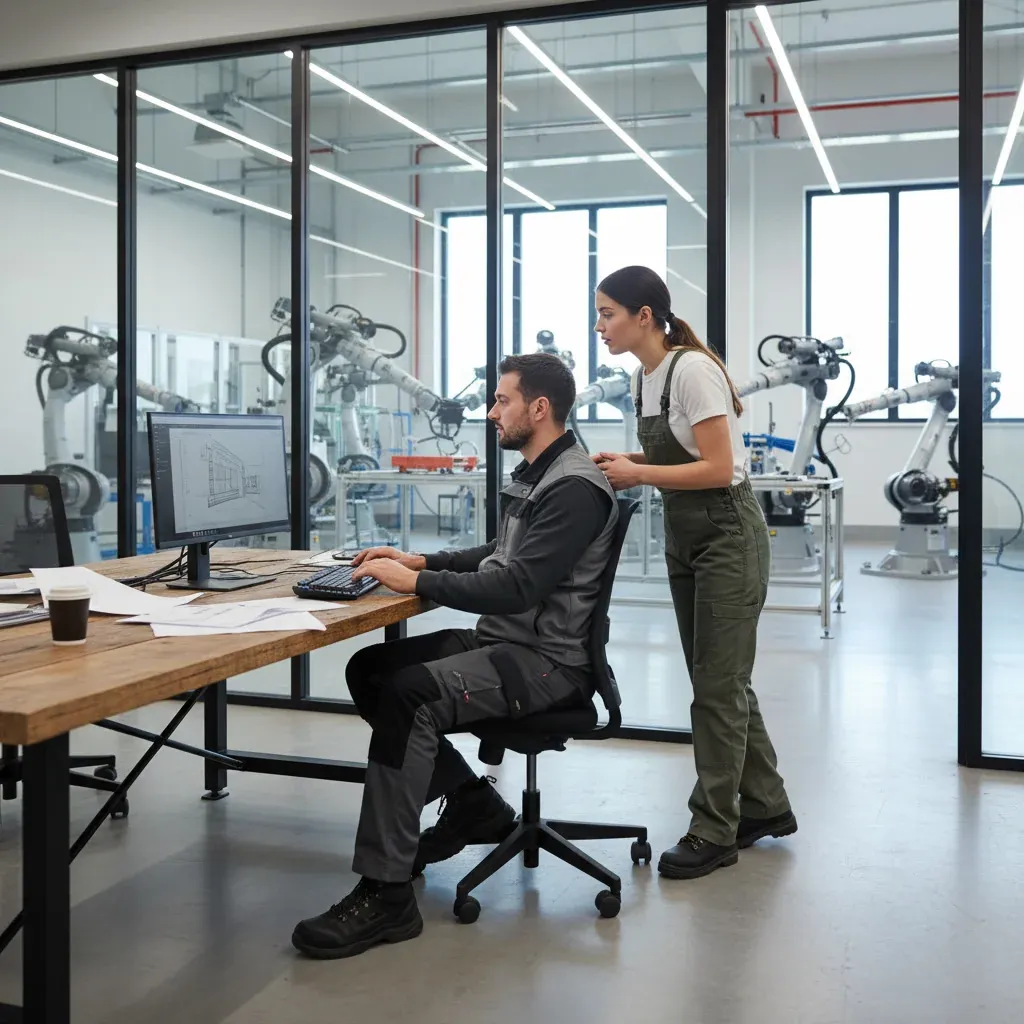
Everyone wants multi-agent systems to just work. They don't. The trick isn't building a new world from scratch. It's spelunking through the mess someone else already made. For CAMEL, that means the docs and the GitHub issues are your new bible.
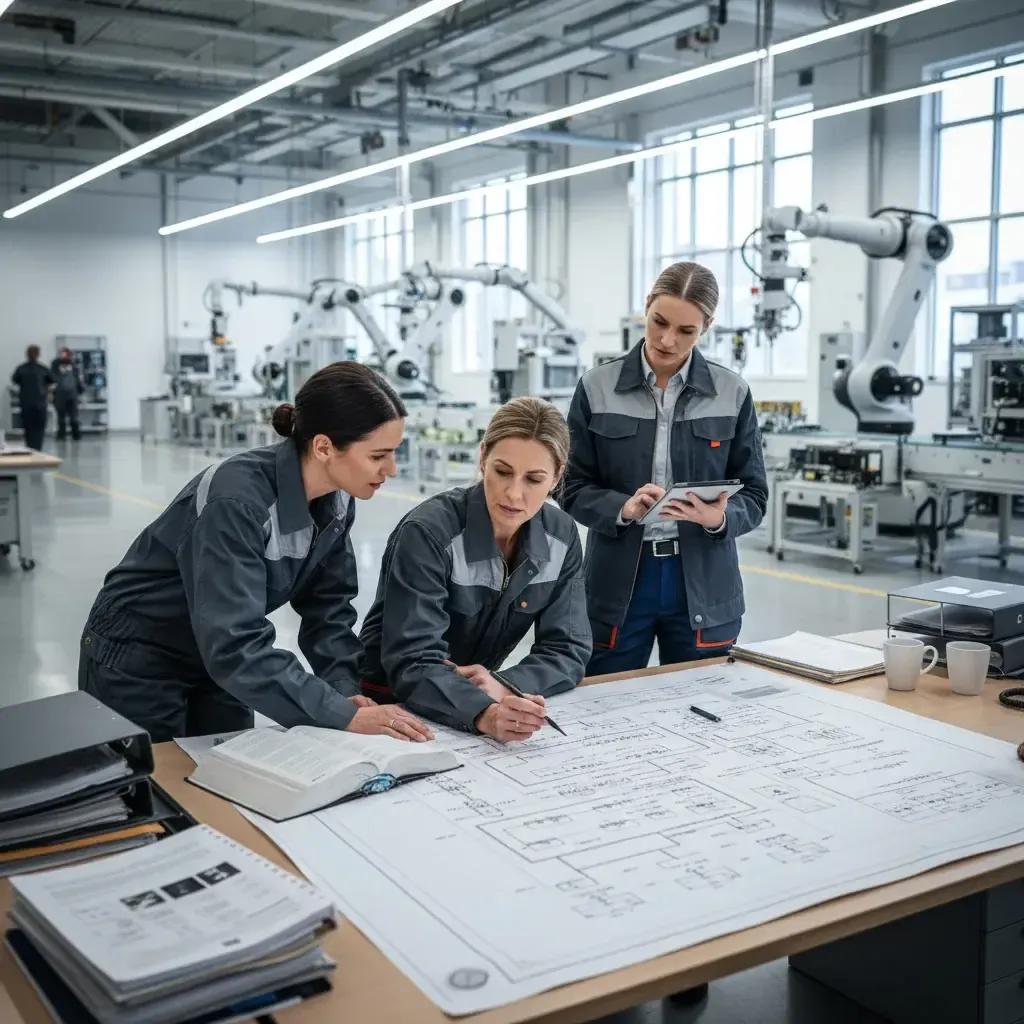
Multi-agent AI is a brute-force lie. We see a neat line of specialized chatbots, each handing off a problem, and mistake the pageantry for efficiency. It's just throwing more computer power at the wall.
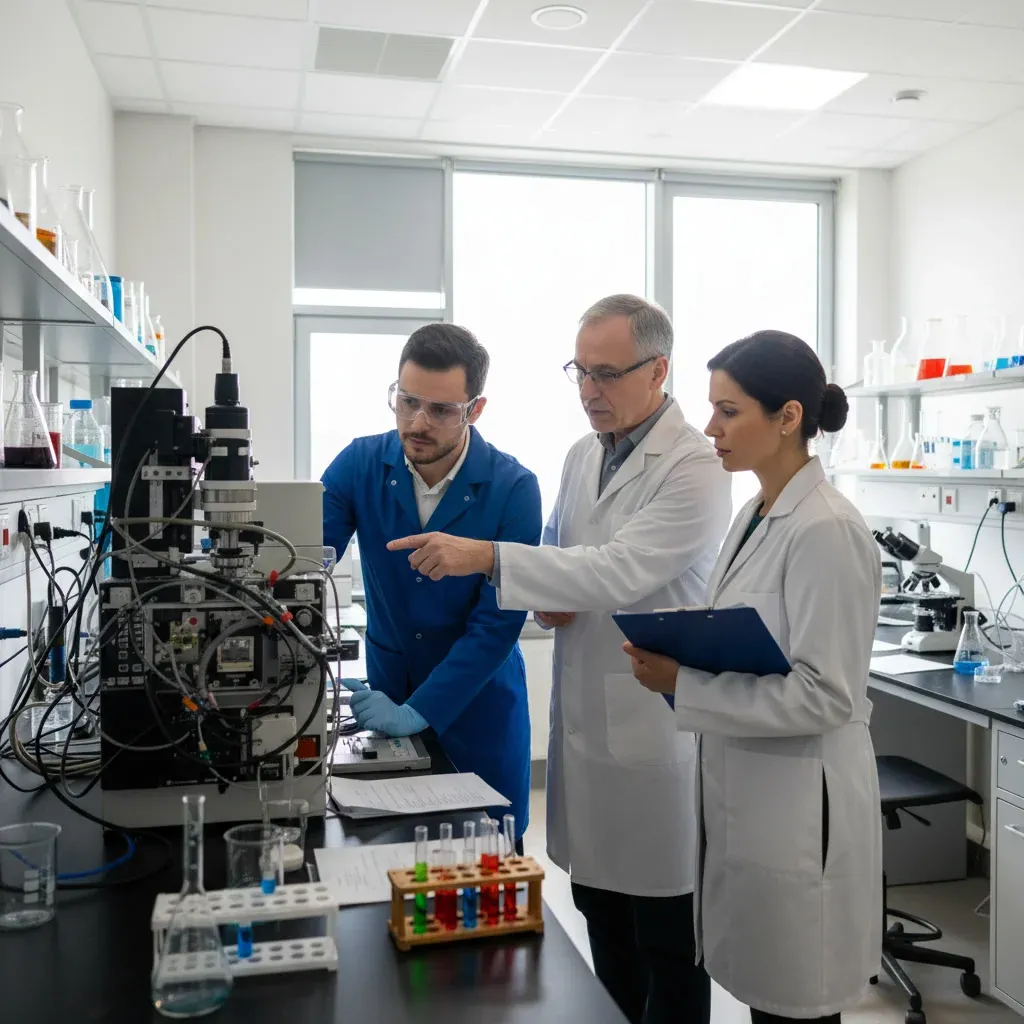
OpenAI's new o1 model will answer any question put to it. It will do so with terrifying, unblinking certainty. This is by design. The reinforcement learning that built it pays for correct answers, full stop.

Every production AI application is a live experiment. Until now, keeping that experiment under control meant duplicating evaluators across projects, rewriting prompts, and hoping nothing slipped through. LangSmith changes that.

AI-generated text now accounts for more than a third of new websites. That figure comes from researchers at Stanford University, Imperial College London, and the Internet Archive, who published their findings this month.

Sergey Brin is personally on the bench at Google. That fact alone signals a crisis. The billionaire co-founder has one blunt mission for DeepMind: catch Anthropic's Claude. In naming that target, Google has quietly admitted the new bar. Claude is it.

Fortnite’s computer-controlled characters have always sounded like, well, computers. That’s about to change.

TabPFN is a blunt instrument. It clocks 98.8% accuracy in 0.47 seconds. That number isn't a minor improvement over Random Forest and CatBoost, it's a different league. The trick is that it does no training. It just sets up.

Mapping a heterogeneous permeability field to a pressure distribution , that’s the core of Darcy flow, a fundamental problem in subsurface modeling and reservoir engineering. Traditional solvers are accurate but slow.
Learn to build AI-powered apps without coding. Our comprehensive review of No Code MBA's course.
Curated collection of AI tools, courses, and frameworks to accelerate your AI journey.
Get the week's most important AI news delivered to your inbox every week.